Nothing transforms a recipe like the intense, warm aroma of freshly ground cloves. When you’re mid-recipe and realize your ground cloves jar is empty—or when you want to experience the vibrant flavor that only freshly ground spices deliver—your coffee grinder becomes an unexpected kitchen hero. This complete guide shows you exactly how to grind cloves in coffee grinder without damaging your equipment or compromising flavor. You’ll discover why whole cloves outperform pre-ground versions, how to achieve the perfect texture for any recipe, and the critical cleaning step that prevents your morning coffee from tasting like holiday ham.
The magic happens because cloves contain eugenol, the essential oil responsible for their distinctive warm aroma. When you grind cloves fresh, you release these volatile compounds just before use—capturing maximum flavor that pre-ground spices lose during months on the shelf. The difference isn’t subtle; it’s transformative, turning ordinary dishes into something extraordinary. Whether you’re preparing holiday ham, spiced cakes, or traditional Czech pork roast, this guide ensures you get professional results with just a few pulses.
Why Whole Cloves Grind Better Than Pre-Ground Spices
Skip the Stem Removal Process Entirely
Contrary to what many assume, you don’t need to separate the clove’s rounded berry portion from its elongated “nail” stem before grinding. The entire clove—stem included—is designed for culinary use, making preparation significantly simpler. Attempting to remove the tough stem only wastes time and risks losing precious spice material during the delicate separation process.
The stem’s hardness explains why some grinders struggle with cloves when overloaded or under-processed. Instead of preprocessing, simply work with smaller batches (about 1-2 tablespoons) to ensure consistent results. Overfilling causes the tougher stems to bounce around without contacting the blades, leaving you with a mix of powder and whole pieces. For manual methods like mortar and pestle, expect to apply persistent pressure to fully break down the stem material.
Prevent Inconsistent Grinding Results
Small batch processing solves the most common grinding failure: inconsistent texture. When your grinder bowl is properly filled—not overflowing—you create optimal conditions for the blades to pulverize both soft berry portions and hard stem sections evenly. Pulse the grinder 3-5 times for 1-2 seconds each, removing and shaking the bowl between pulses to redistribute cloves toward the blades.
This technique prevents the common mistake of continuous grinding, which generates heat that can degrade delicate flavor compounds. You’ll notice the dramatic difference immediately—freshly ground cloves produce a rich, vibrant powder with aromatic intensity that pre-ground versions simply cannot match. The volatile compounds begin degrading the moment cloves are ground, which is why processing them just before use delivers such superior flavor.
Select the Best Grinder to Prevent Plastic Damage
Identify Your Grinder’s Vulnerability to Clove Oil
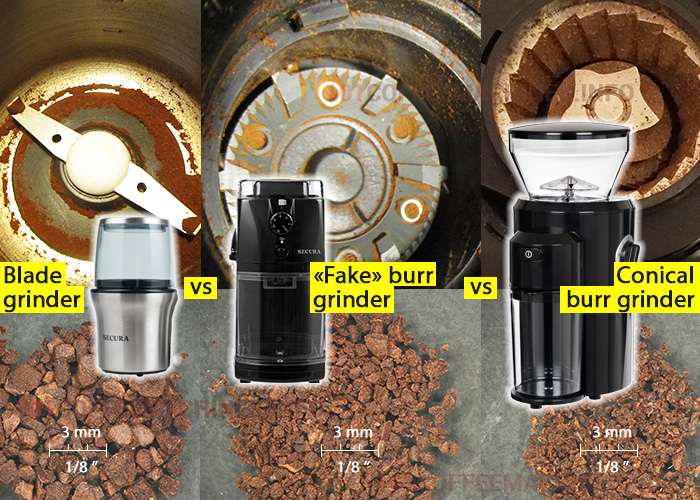
Clove oil contains eugenol, a natural solvent that gradually degrades plastic components with repeated use. If you regularly grind cloves in a machine with plastic bowls or lids, you’ll eventually notice clouding, crazing, or deterioration of plastic surfaces. For occasional use (once a month or less), this degradation happens slowly enough that most users never experience problems.
Metal spice grinders provide the ideal solution for frequent spice grinding. Their construction withstands clove oil’s solvent properties without degradation. If you already own a coffee grinder, check whether it has metal or plastic components—many mid-range models feature metal bowls with plastic lids. For these, consider replacing the plastic lid with a metal alternative or dedicating the grinder exclusively to spices.
Create a Dedicated Spice Grinding Station
The most practical solution for home cooks is maintaining two separate grinders: one exclusively for coffee and another for spices. This approach eliminates flavor transfer concerns and protects your coffee grinder from clove oil damage. Many home cooks repurpose an old coffee grinder specifically for spices—this costs nothing if you have a spare unit sitting unused.
When shopping for a dedicated spice grinder, look for:
– Metal construction throughout (bowl, lid, blade assembly)
– 150+ watt motor for handling tough spices like cloves
– Compact size (4-8 ounce capacity) for small spice batches
– Easy disassembly for thorough cleaning
This investment pays off immediately in both flavor quality and equipment longevity. High-quality metal spice grinders typically cost between $25-$50—less than the cumulative cost of multiple small pre-ground spice containers you’d otherwise purchase.
Perfect Grinding Technique for Flawless Clove Powder
Master the Pulse-and-Shake Method
The actual grinding process requires no special skills but benefits from precise technique. Add whole cloves directly to the grinder bowl—no pre-crushing needed. Secure the lid firmly and use short, controlled pulses of 1-2 seconds each rather than continuous grinding. After each pulse, remove the lid and shake the bowl to redistribute cloves toward the blades.
Most coffee grinders produce perfectly ground cloves in just 3-5 pulses. Check the texture between pulses; cloves are properly ground when they resemble fine sand with no visible whole pieces. If you see larger fragments, particularly stem portions, add one more pulse and shake again. Over-processing creates excessive heat that degrades flavor compounds, so stop as soon as you achieve the desired consistency.
Adjust Grind Size for Your Specific Recipe
Not all recipes require the same clove texture. For dishes with extended cooking times (like stews, braised meats, or baked goods that spend an hour in the oven), a coarser grind works perfectly. The cloves soften during cooking, and larger particles distribute flavor gradually without being noticeable in the finished dish.
When cloves are added near the end of cooking or in dishes with minimal heat exposure (like some spice rubs or finishing blends), a finer grind ensures proper distribution and immediate flavor release. Process cloves 1-2 additional pulses for these applications, checking texture between pulses until you achieve the fineness you need. This customization elevates your cooking from good to exceptional.
Eliminate Flavor Transfer with Sugar Cleaning Method
Remove Clove Residue in 30 Seconds
Spice oils cling stubbornly to grinder surfaces, causing problematic flavor transfer—especially when grinding coffee afterward. The most effective cleaning method requires nothing more than sugar. After grinding cloves, add one tablespoon of plain white sugar to the empty grinder bowl and process for 10-15 seconds. The sugar acts as a mild abrasive, absorbing residual oils and spice particles.
Discard the sugar (which will now smell strongly of cloves) and wipe the bowl with a dry cloth. This simple process takes less than thirty seconds but completely resets your grinder for its next use. For grinders used frequently with strong spices like cloves, repeat this cleaning process twice for thorough results.
Prevent Long-Term Oil Buildup
For occasional deeper cleaning, combine one tablespoon each of baking soda and water in the grinder bowl. Let the mixture sit for 30 minutes before processing for 15 seconds, then rinse thoroughly and dry completely. This removes stubborn oil deposits that regular sugar cleaning might miss.
Never use soap or submerge electric grinders in water—this damages motors and creates electrical hazards. Always ensure your grinder is completely dry before its next use, particularly the blade assembly where moisture can accumulate.
Enhance Flavor with Pre-Grinding Toasting Technique
Transform Clove Flavor in 5 Minutes
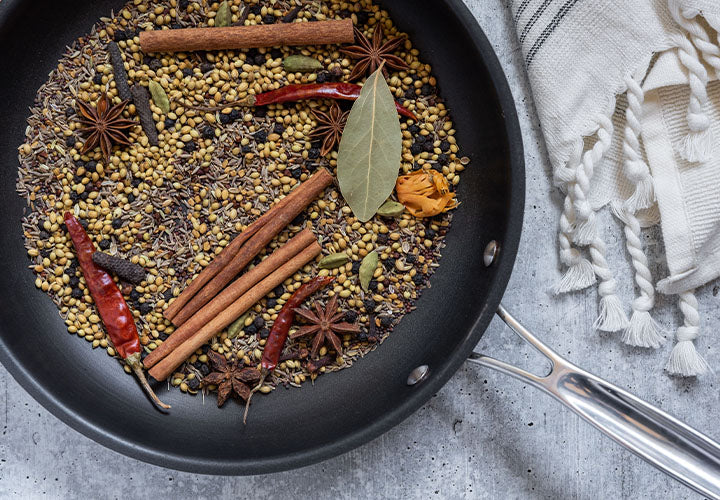
Dry toasting cloves before grinding develops deeper, more complex flavor compounds that elevate your finished dish. Heat a heavy skillet over medium heat until hot, then add whole cloves. Toast for 2-5 minutes, stirring constantly with a wooden spoon until cloves become fragrant and develop light golden spots.
Remove cloves from heat immediately—they burn quickly once toasted. Allow them to cool completely before grinding; processing warm spices causes clumping and may damage your grinder’s motor. The toasting process adds just five minutes to your preparation but delivers noticeably richer, more nuanced flavor, particularly in recipes where cloves play a starring role.
Match Toasting to Your Recipe Type
For sweet applications like gingerbread or spice cakes, lighter toasting preserves cloves’ bright, floral notes. For savory dishes like ham glazes or meat rubs, slightly darker toasting develops deeper, earthier flavors that complement rich meats. Experiment with toasting times to find your preferred flavor profile—this simple step transforms ordinary recipes into something extraordinary.
Extend Freshness with Proper Storage Techniques

Maximize Shelf Life Without Sacrificing Convenience
Store freshly ground cloves in an airtight glass container away from heat and light—pantry doors or interior cabinets work well, but avoid locations near stoves or ovens. Properly stored, ground cloves maintain good flavor for 3-4 months, though peak potency lasts just 4-6 weeks.
The superior approach involves grinding whole cloves as needed rather than making large batches. Whole cloves maintain their potency for 1-2 years when stored properly, making them far more practical for pantry storage. Keep a small container of whole cloves and grind just what you need for each recipe—this practice ensures maximum freshness without sacrificing convenience.
Grind Multiple Spices Without Flavor Confusion
Adapt Techniques for Different Whole Spices
The methods you’ve mastered for cloves work equally well for cinnamon sticks, cardamom pods, peppercorns, and other whole spices. Each has unique characteristics: cumin releases oils readily and grinds quickly, while coriander benefits from toasting first, and peppercorns require shorter pulses to avoid over-processing.
When grinding multiple spice types in one session, always progress from mildest to strongest flavors (start with coriander, end with cloves). This sequence minimizes flavor transfer between spices. After each type, perform the sugar cleaning method before moving to the next spice.
Create a Spice Grinding Schedule
For frequent spice users, dedicate specific days for grinding batches of different spices. Process all your cinnamon-based spices one day, then move to pepper-based blends another day. This approach minimizes cleaning between similar flavor profiles and ensures you always have freshly ground spices on hand without constant grinder maintenance.
By following these precise techniques, you’ll transform your coffee grinder into a versatile spice-processing powerhouse that delivers restaurant-quality results in your home kitchen. The vibrant flavor of freshly ground cloves will elevate your cooking in ways pre-ground spices simply cannot match—making every recipe more aromatic, more complex, and more delicious.