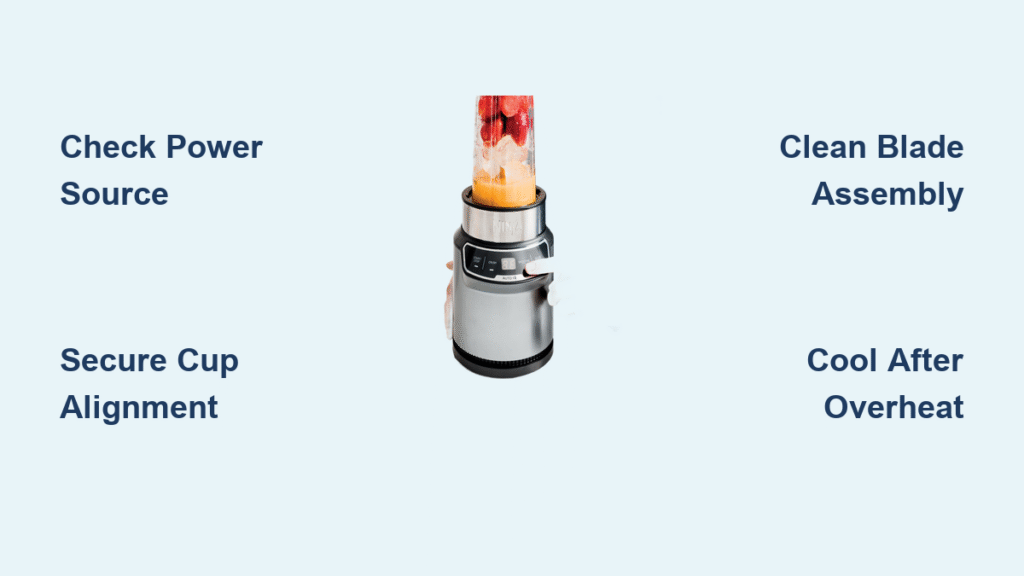
You’re in the middle of making your morning smoothie when suddenly your Ninja bullet blender stops working. The motor falls silent, the blades stop spinning, and you’re left with a half-blended mixture and a frustrating kitchen dilemma. Before you consider replacing your trusty appliance, most common Ninja bullet blender issues can be resolved with simple troubleshooting steps that take less than 10 minutes to complete.
The reality is that when your Ninja blender suddenly won’t turn on or the blades stop spinning, the problem usually stems from preventable issues rather than catastrophic failure. This guide provides a systematic approach to diagnosing and fixing the most common Ninja bullet blender problems based on verified user experiences and general small appliance repair principles. You’ll learn how to identify whether the issue is related to power supply, assembly problems, or internal components—plus when it’s time to contact Ninja support rather than attempting further DIY repairs.
Power Connection and Electrical Issues
Verify Your Power Source First
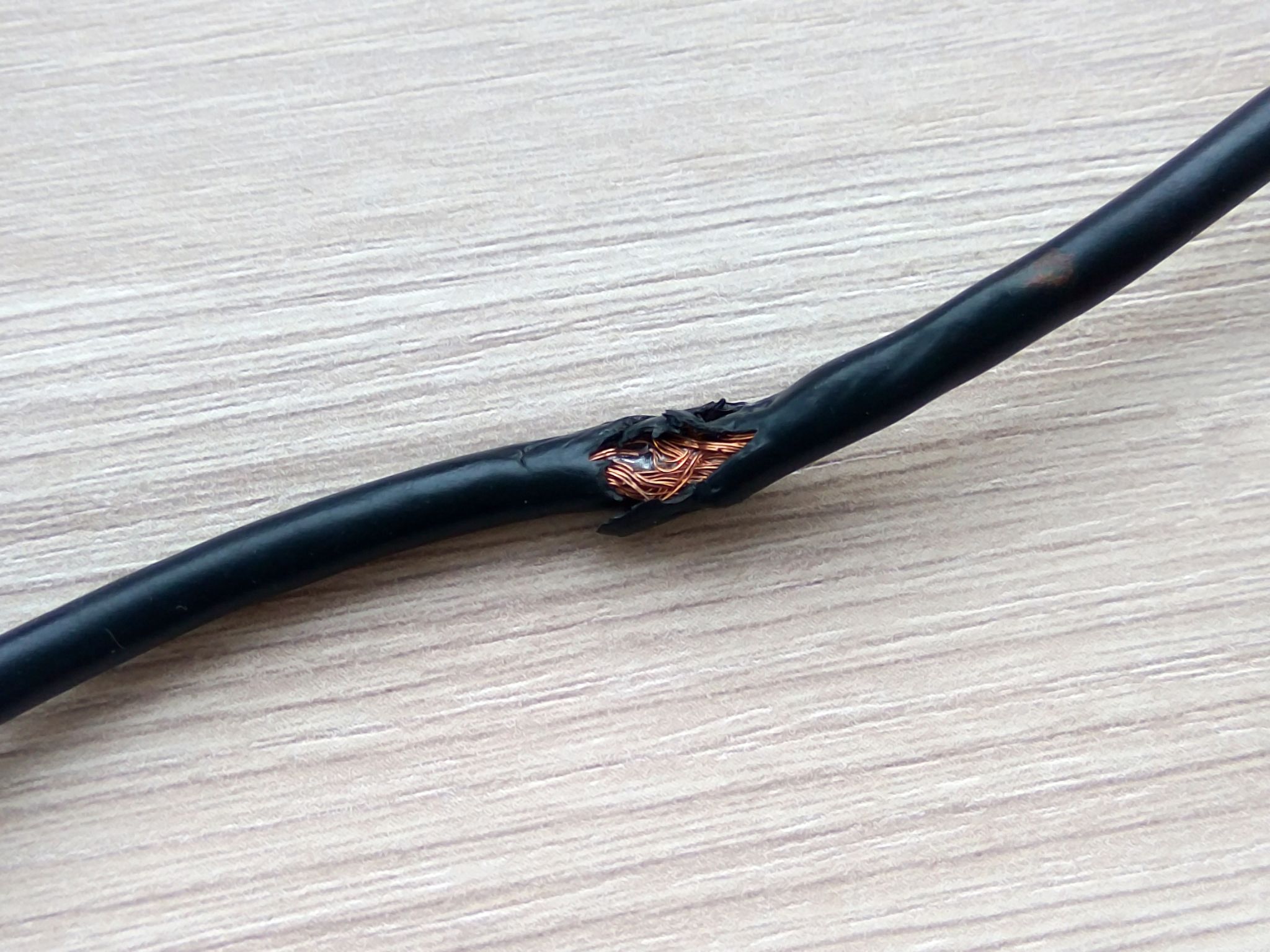
When your Ninja bullet blender shows no signs of life, start with the most basic electrical check that many users overlook. Plug a different appliance into the same outlet to confirm it’s functioning properly—many kitchen outlets have GFCI protection that trips unexpectedly. Next, examine the power cord for visible damage like kinks, cuts, or frayed sections near the plug or where it connects to the base. Even minor cord damage can interrupt power flow to your blender.
Check the Base-to-Cup Connection
Ninja bullet blenders feature safety mechanisms that prevent operation unless the cup is properly aligned on the base. Remove the cup and inspect both the base’s drive socket and the cup’s bottom for debris, moisture, or food residue that might be interfering with electrical contacts. Clean these areas with a dry cloth, then firmly reseat the cup with a quarter-turn until you hear the locking mechanism engage. Many “not working” issues simply result from improper cup alignment triggering the safety interlock.
Blade Assembly Troubleshooting
Addressing Blade Jamming Problems
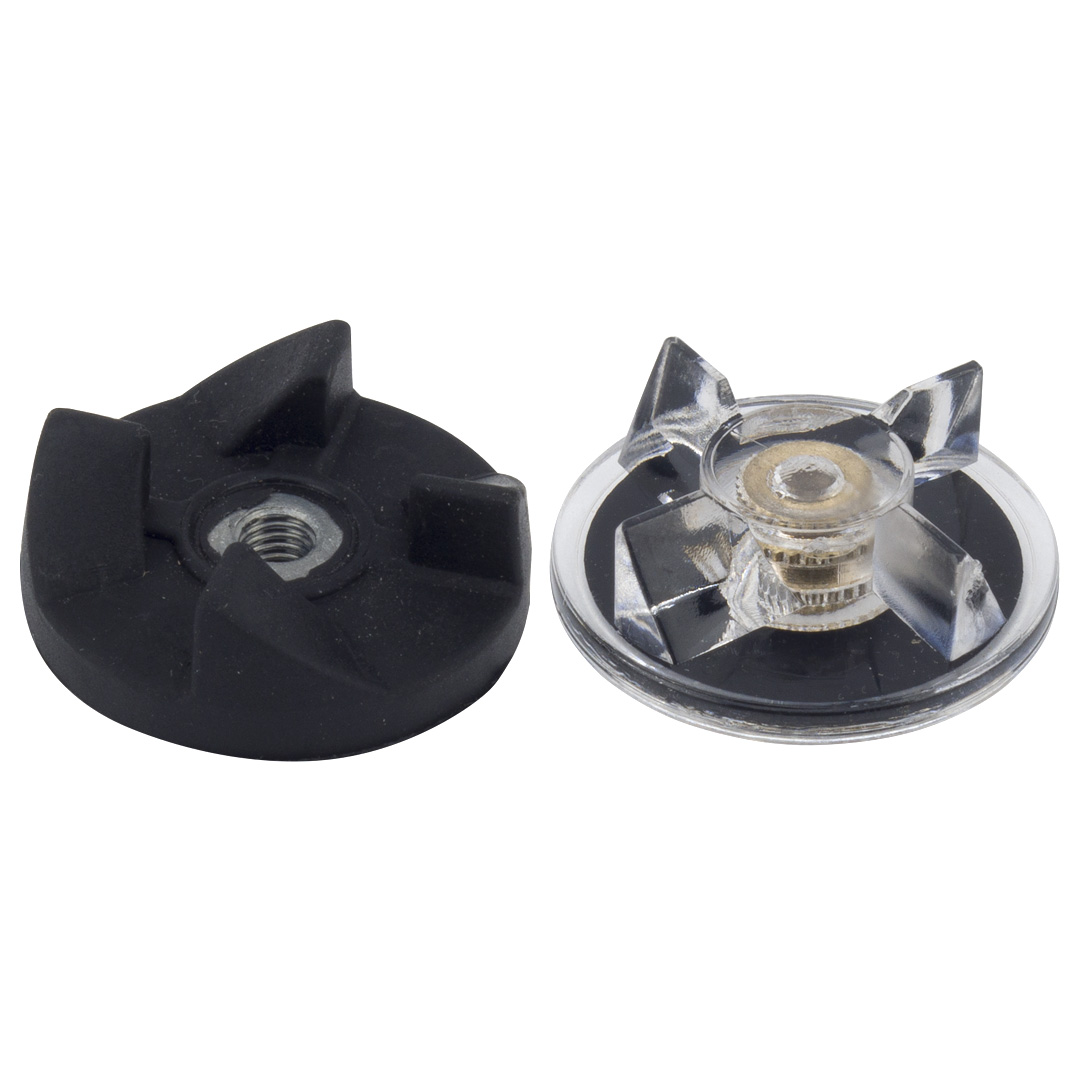
If your Ninja bullet blender powers on but the blades won’t spin, food particles have likely jammed the blade assembly. Remove the cup from the base and empty any contents. Unscrew the blade assembly from the bottom of the cup and inspect the drive gear for trapped fibrous foods like kale stems or carrot pieces. Soak the blade assembly in warm, soapy water for 10-15 minutes, then use a soft brush to clean between the blades and around the drive mechanism. Ensure all components are completely dry before reassembly.
Diagnosing Unusual Noises During Operation
Grinding, clicking, or high-pitched whining sounds during blending indicate potential blade assembly problems. Disassemble the unit completely and examine blades for cracks, chips, or bent edges—even minor damage creates significant vibration. Check that the rubber gasket sits properly in its groove without twisting or pinching. When reassembling, hand-tighten the blade assembly onto the cup just until snug; over-tightening can damage threads and cause misalignment that stresses the motor.
Motor Base Overheating Solutions
Managing Thermal Protection Shutdowns
Ninja bullet blenders incorporate thermal protection that automatically shuts down the motor when temperatures become unsafe. If your blender stops working after continuous use, allow it to cool for at least 30-45 minutes before attempting to use it again. Prevent overheating by avoiding extended blending sessions—pulse instead of continuous operation when processing thick mixtures like frozen fruit or nut butters. Never fill the cup beyond the 2/3 capacity mark, as overloading strains the motor.
Addressing Excessive Heat During Normal Operation
If your Ninja blender becomes unusually hot during typical use with standard smoothie ingredients, check for blocked ventilation. Most models have small air vents around the base that can become clogged with countertop debris. Unplug the unit and use compressed air to clear these vents. Also verify you’re using the appropriate speed setting—starting on high speed with dense ingredients creates unnecessary motor strain. Always begin blending on low speed for 5-10 seconds before gradually increasing.
Proper Assembly and Alignment Fixes
Ensuring Secure Cup Attachment
A common reason for Ninja bullet blenders not working is improper cup attachment to the base. The cup must lock into place with an audible click; if it doesn’t, check for cracks in the cup’s base or damage to the locking tabs. Even hairline fractures prevent proper engagement with the motor base. Clean both the cup bottom and base contacts with isopropyl alcohol to remove any sticky residue that might interfere with alignment. When attaching, press down firmly while turning clockwise until fully secured.
Preventing Leaks That Cause Electrical Issues
Leaking from the bottom of your Ninja cup often leads to electrical problems as liquid seeps into the motor base. Inspect the rubber gasket for wear, cracks, or hardening—replace it immediately if damaged. Ensure the gasket sits properly in its channel without twisting when reassembling the blade unit. Never submerge the motor base in water, and always clean the cup and blade assembly separately. After washing, thoroughly dry all components before reassembly to prevent moisture-related electrical issues.
Electrical Safety and Component Checks
Identifying Dangerous Electrical Problems
Stop using your Ninja bullet blender immediately if you detect burning smells, see smoke, or notice sparks during operation. These indicate serious electrical faults that pose fire hazards. Unplug the unit and do not attempt further use. While some minor electrical issues can be resolved through cleaning contacts, internal wiring problems require professional assessment. Never attempt to open the motor base yourself, as this typically voids any remaining warranty and exposes you to electrical hazards.
Resetting After Thermal Shutdown
When your Ninja blender shuts down due to overheating, follow proper reset procedures before using again. Unplug the unit and allow it to cool completely for at least 45 minutes. During this time, clean all contact points between the cup and base with a dry cloth. After cooling, plug the blender into a different outlet if possible, and test with an empty cup for 3-5 seconds. If the unit still doesn’t operate after proper cooling, the thermal fuse may have triggered permanently, requiring professional service.
Preventive Maintenance for Longevity
Establish a Regular Cleaning Routine
The most effective way to prevent Ninja bullet blender problems is through consistent maintenance. After each use, rinse the cup and blade assembly immediately to prevent food residue from hardening. Weekly, perform a deeper clean by soaking components in warm, soapy water for 10-15 minutes before gentle scrubbing. Pay special attention to the area where the blade assembly connects to the cup, as this is where debris most commonly accumulates and causes operational issues.
Proper Storage Practices
Store your Ninja bullet blender with the cup detached from the base to prevent accidental activation and allow all components to air dry completely. Keep the motor base in a cool, dry location away from direct sunlight or heat sources that could degrade internal components over time. Store blade assemblies with their protective covers in place to prevent accidental damage to the sharp edges. Never stack heavy items on top of your blender components, as this can cause subtle misalignments that lead to operational problems.
When to Contact Ninja Support
Understanding Warranty Coverage
Ninja typically offers a 1-year limited warranty covering motor and electrical components, but not user-replaceable parts like blades or cups. Check your documentation for specific coverage details, as warranty terms vary by model and region. To validate warranty claims, you’ll need proof of purchase, so keep your receipt in a safe place. Note that warranty coverage generally excludes damage from improper use, such as attempting to blend non-food items or ignoring maximum fill lines.
Preparing for Support Contact
When contacting Ninja customer service, have your model number (found on the bottom of the motor base), purchase date, and a detailed description of the problem ready. Explain all troubleshooting steps you’ve already attempted, as this helps support staff diagnose the issue more efficiently. For persistent electrical problems or mechanical failures that occur during normal use within the warranty period, Ninja typically offers replacement parts or a new unit rather than repair services.
Final Note: Most Ninja bullet blender issues stem from simple causes like improper assembly, inadequate cleaning, or temporary overheating rather than permanent failure. By following these systematic troubleshooting steps, you can resolve common problems safely and effectively. Remember that when electrical issues persist after basic troubleshooting—particularly burning smells or visible damage—prioritize safety by contacting Ninja support rather than attempting internal repairs. Regular maintenance after each use significantly extends your blender’s lifespan and prevents many common operational problems before they start.