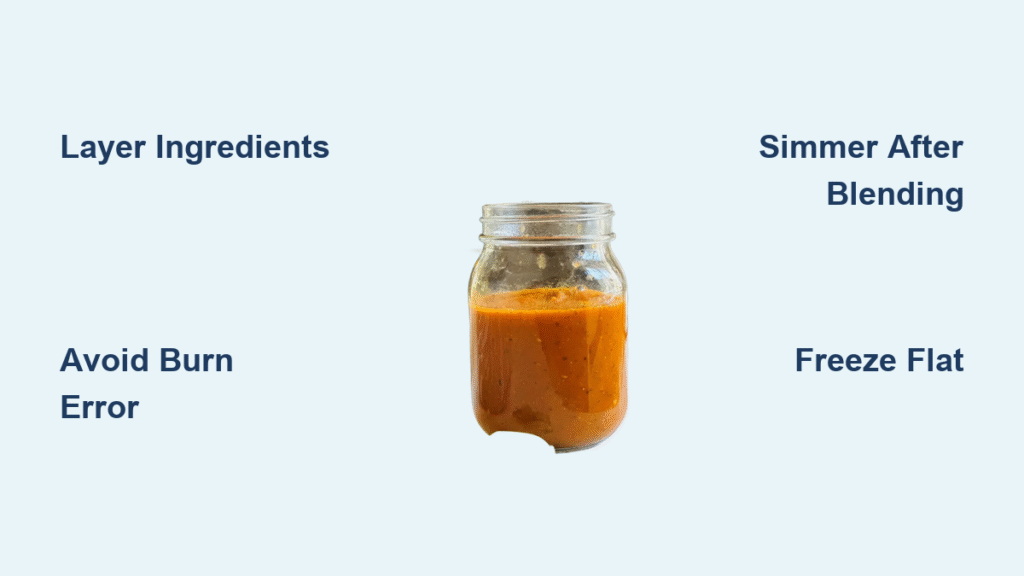
Tired of watery store-bought sauces packed with preservatives? Your Ninja blender or Foodi pressure cooker holds the secret to restaurant-quality tomato sauce in less time than it takes to boil pasta. Forget peeling tomatoes or babysitting a simmering pot—this fresh, vibrant Ninja blender tomato sauce delivers deep flavor without the fuss. Whether you’re using a Foodi pressure cooker for hands-off perfection or a high-speed blender for lightning-fast results, you’ll skip the scorching risks and achieve silky-smooth texture every time. I’ll show you exactly how to transform ripe tomatoes into a versatile sauce that elevates pasta, pizza, proteins, and more—all while saving you 40+ minutes versus traditional methods.
What makes this approach revolutionary? Ninja appliances eliminate the two biggest pain points: the tedious peeling/deseeding process and the constant stirring required to prevent burning. The Foodi method pressure-cooks tomatoes whole (yes, quartered is enough!), while the cold-blend technique uses raw power to emulsify ingredients before a quick simmer. Both yield bright, balanced sauce with zero added sugar needed for most tomatoes. Ready to ditch jarred sauces forever? Let’s dive into the exact steps that work whether you own a Ninja Foodi, Nutri Ninja cup, or standard high-speed blender.
Pressure-Cook Ninja Tomato Sauce in 25 Minutes (No Standing Required)

Your Ninja Foodi transforms whole tomatoes into velvety sauce while you handle other dinner tasks—no stirring, no scorching, no stress. This method leverages pressure cooking to break down tomatoes fast while locking in fresh flavor, making it ideal for busy weeknights or double batches.
Avoid the “BURN” Error with Smart Layering
The #1 mistake that triggers Foodi errors? Stirring tomato paste into the bottom of the pot. Here’s the fail-safe sequence:
- Sauté aromatics first: Hit SAUTÉ mode, heat 3 Tbsp olive oil, then cook diced onion and minced garlic for 60 seconds until fragrant (but not browned)
- Deglaze aggressively: Pour in ¼ cup red wine (or grape juice) plus ½ cup broth while scraping the pot bottom—this lifts stuck bits and prevents burning
- Build the flavor base: Add 2 Tbsp tomato paste, 1 tsp brown sugar (optional), 2 bay leaves, salt, and pepper—but do not stir
- Top with tomatoes: Gently place 12 quartered ripe tomatoes on top in a single layer—never mix this stack
Critical warning: Stirring after adding tomatoes scrapes tomato paste onto the heating element, causing instant “BURN” alerts. Keep ingredients layered like a lasagna!
Perfect Pressure-Release Technique for Silky Texture
After sealing the lid (valve set to SEAL), run HIGH pressure for exactly 10 minutes, then let it natural-release for 10 minutes. Why this timing? Under-pressurizing leaves chunky sauce; over-pressurizing creates foam. When the float valve drops:
- Immediately remove bay leaves (they turn bitter if left too long)
- Use the built-in blender function for 45 seconds on HIGH—no transferring needed
- If sauce seems thin, hit SAUTÉ mode for 3-5 minutes to thicken (stir constantly now)
Pro tip: For richer color, add 1 grated carrot during sautéing. Its natural sugars deepen the red hue without altering flavor.
Cold-Blend Ninja Sauce: 15-Minute Fresh Flavor Fix
When you need sauce now, your Ninja blender’s raw power creates a smooth base in 40 seconds flat—perfect for ripe summer tomatoes. But skip the simmer step at your peril: raw garlic and onion flavors turn harsh without gentle cooking.
Load Your Blender Jug Like a Pro
Order matters for seamless blending. Layer ingredients exactly as listed to prevent air pockets:
- Garlic clove (peeled)
- Onion chunks
- Celery sticks and carrots (halved lengthwise)
- Red bell pepper quarters
- Tomato purée and dried oregano
- Quartered plum or cherry tomatoes (400g)
Why this order? Hard vegetables near the blade pulverize first, creating a vortex that pulls tomatoes down. Reverse the order, and you’ll get chunky sauce with visible seeds.
Simmer Secrets for Restaurant Depth
After blending 30-40 seconds until smooth (seeds will still be visible), transfer to a saucepan with a bay leaf. Cover and simmer 25 minutes on low heat—do not skip this step even with ultra-high-speed blenders. Here’s why:
- Uncooked garlic develops a metallic aftertaste
- Raw onion pungency overwhelms tomato brightness
- Simmering melds flavors and deepens the red color
Time-saver: While sauce simmers, cook pasta in the same pot! Just remove the sauce first, boil water, and reuse the pan.
Pick Perfect Tomatoes for Thick, Rich Ninja Sauce

Roma or San Marzano tomatoes aren’t just chef snobbery—they’re non-negotiable for thick Ninja blender tomato sauce. Watery beefsteak varieties turn your sauce into soup.
Spot the Ideal Tomatoes at the Store
Grab tomatoes that feel dense for their size with smooth, unblemished skins. Avoid any with:
- Cracks or splits: Releases excess juice during cooking
- Pale yellow shoulders: Indicates under-ripeness (higher acidity)
- Soft spots: Creates uneven texture after blending
Pro move: For cherry tomatoes (naturally sweeter), reduce added sugar to ½ tsp or omit entirely—taste first!
Freeze Ninja Sauce for 3-Month Flavor Lock
Refrigerated sauce lasts just 5-7 days, but freezing unlocks year-round freshness. Do it right to prevent icy separation.
Foolproof Freezing Steps
- Cool sauce completely (never freeze hot)
- Pour into freezer bags laid flat on a tray (not jars—glass cracks!)
- Squeeze out ALL air before sealing (prevents freezer burn)
- Label with date and “Ninja blender tomato sauce”
- Freeze flat for 24 hours, then stack like books
Thawing hack: Place frozen sauce block in a bowl overnight. If separation occurs, re-blend 20 seconds—never microwave!
Fix Thin, Acidic, or Frothy Ninja Sauce in Minutes
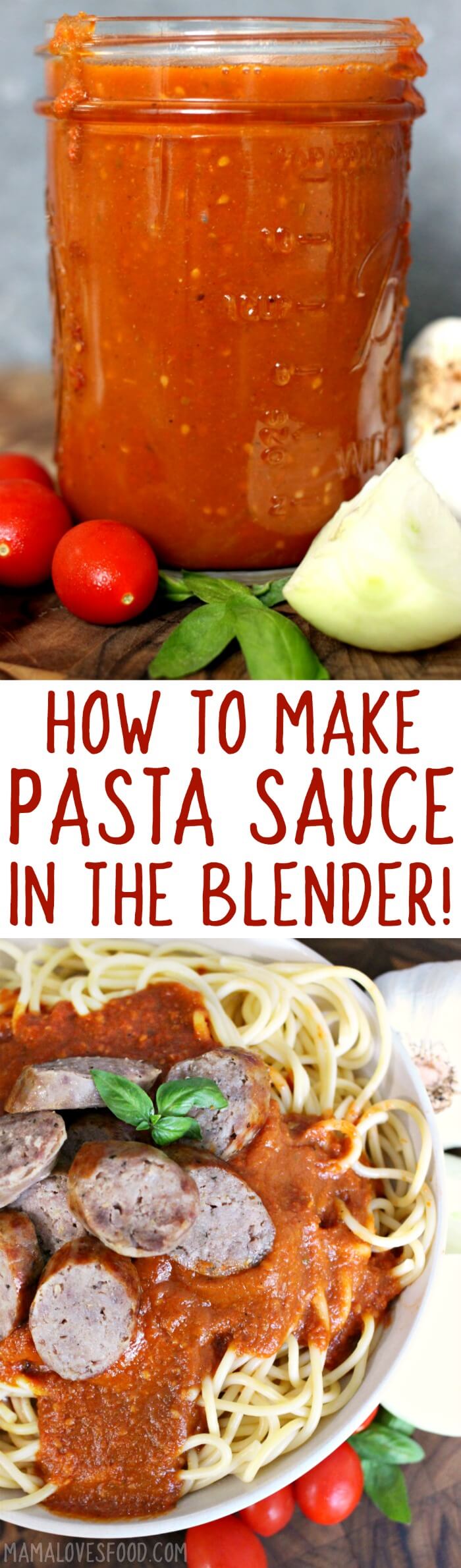
That pink froth on blended sauce? Harmless air bubbles—not spoilage. But thin consistency or harsh acidity ruins meals. Here’s your emergency toolkit:
| Problem | Instant Fix |
|---|---|
| Watery sauce | Simmer uncovered 5 minutes while stirring constantly |
| Too acidic | Stir in ½ tsp sugar OR pinch of baking soda during simmering |
| Frothy texture | Blend 60 seconds longer OR simmer 2 minutes uncovered |
| Burn warning | Restart with fresh oil; layer tomatoes FIRST next time |
Never add water to thin sauce—it dilutes flavor. Instead, simmer to concentrate.
Beyond Pasta: 7 Ninja Sauce Hacks for Weeknight Wins
Your Ninja blender tomato sauce isn’t just for spaghetti. Transform Tuesday’s dinner with these pro moves:
- Pizza perfection: Spread sauce THIN—¼ inch max—on dough before 500°F baking
- Meatball magic: Brown meatballs first, then simmer 15 minutes in sauce (keeps them tender)
- Fish poaching: Gently simmer cod or halibut 8 minutes in sauce for flaky perfection
- Rice cooker hack: Replace ½ cup water with sauce when cooking rice for tomato “risotto”
- Breakfast boost: Swirl into scrambled eggs with fresh basil
- Grill glaze: Brush onto chicken wings during last 5 minutes of cooking
- Soup enhancer: Stir ½ cup into minestrone for instant depth
Critical tip: For chicken parmesan, top breaded cutlets with sauce BEFORE cheese—this prevents rubbery melted cheese.
76-Calorie Ninja Sauce: Light Yet Luxuriously Rich
A single serving (½ cup) of Foodi-made sauce delivers big flavor without guilt:
- 76 calories (vs. 110+ in store brands)
- 5g heart-healthy fats from olive oil
- Zero added sugar when using ripe tomatoes
- 383mg sodium (40% less than commercial sauces)
Nutrition win: The carrots and celery in cold-blend recipes add natural sweetness—no sugar needed!
Tomato Sauce vs Marinara: Why Your Ninja Blend Wins
Don’t confuse these two. Your Ninja blender tomato sauce is the richer, more versatile cousin:
- Tomato sauce = Thicker texture with carrots/celery/onion (your Ninja blend)
- Marinara = Thinner, garlic-forward sauce made in 20 minutes
Key difference: Marinara skips aromatics beyond garlic. Your Ninja method creates complex flavor layers perfect for lasagna or braising—marinara’s too thin for those uses.
Pro Secrets for Foolproof Ninja Blender Sauce Every Time
Master these game-changers:
- Oil control: Never exceed 3 Tbsp—more creates greasy separation
- Herb timing: Add dried oregano AFTER pressure cooking (heat destroys flavor)
- Color boost: 1 grated carrot = vibrant red without food coloring
- Batch doubling: Blend in two portions—overfilling causes leaks
- Kid-friendly swap: Use apple juice instead of wine (zero flavor loss)
Final tip: Make double batches on Sundays. Future-you will high-five past-you when Wednesday’s dinner takes 10 minutes!
Your Ninja blender tomato sauce beats store-bought on flavor, cost, and speed—no fancy skills required. Whether you pressure-cook for hands-off perfection or cold-blend for instant results, you’ve now got the pro playbook for silky, restaurant-worthy sauce anytime tomatoes are ripe. Freeze extras for emergency dinners, and remember: the secret isn’t in the appliance, it’s in the smart layering and timing we covered. Fire up your Ninja this weekend—your fastest, freshest pasta night awaits.