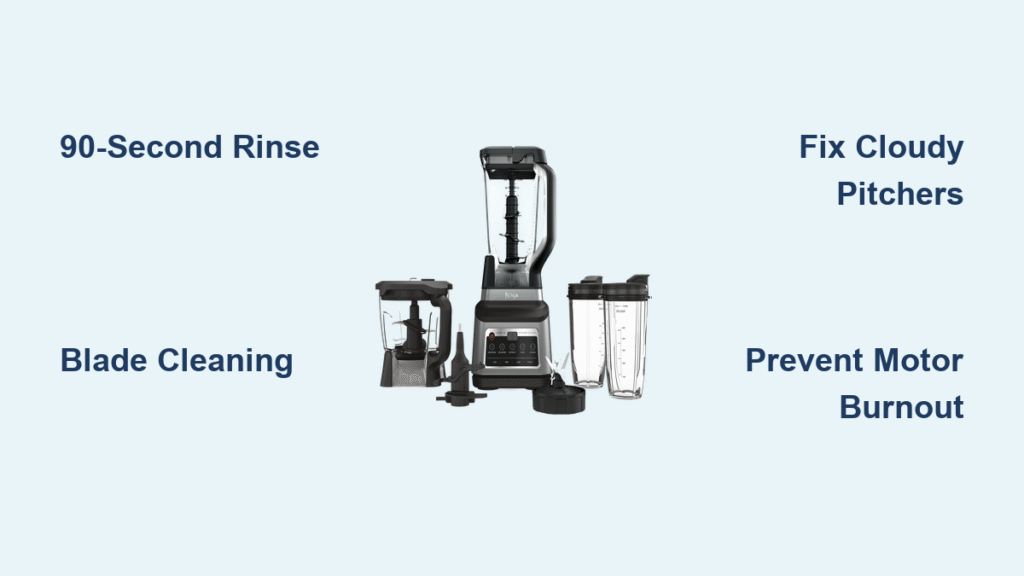
Your Ninja blender powers through frozen acai bowls and tough kale stems effortlessly—until it doesn’t. When residue builds under the blades or cloudy stains mar your pitcher, performance plummets. Without proper Ninja blender maintenance, that $150 investment becomes a paperweight within 18 months. But here’s the good news: 95% of failures stem from preventable neglect, not manufacturing defects. This guide reveals professional techniques to keep your Nutri Ninja, Professional 1100, or Mega Kitchen System running like new for 5+ years.
You’ll discover how to dissolve stubborn turmeric stains in 20 minutes, prevent the #1 cause of motor burnout (hint: it’s not overheating), and handle those razor-sharp blades safely. Most importantly, you’ll learn the 90-second daily ritual that stops 90% of problems before they start—no disassembly required.
90-Second Post-Blend Rinse That Prevents Permanent Stains
Skip this step, and tomato sauces etch into plastic within 30 minutes. The moment you finish blending, fill your Ninja pitcher two-thirds with lukewarm water and add exactly three drops of dish soap. Secure the lid (double-check the lock!), place it on the base, and run on HIGH for 60 seconds. Watch as the vortex dislodges particles from blade crevices and the pitcher’s base.
Pour out the soapy water immediately—never let it sit. Rinse twice with cold water, then invert the pitcher on a drying rack without towel-drying. Why? Microfiber towels leave lint that bonds to wet plastic, accelerating cloudiness. This entire process takes 90 seconds but prevents the stubborn stains that require harsh chemicals later. For Nutri Ninja single-serve cups, use a bottle brush to scrub the blade housing immediately after the rinse cycle.
Why Your Blades Stop Cutting Through Frozen Fruit
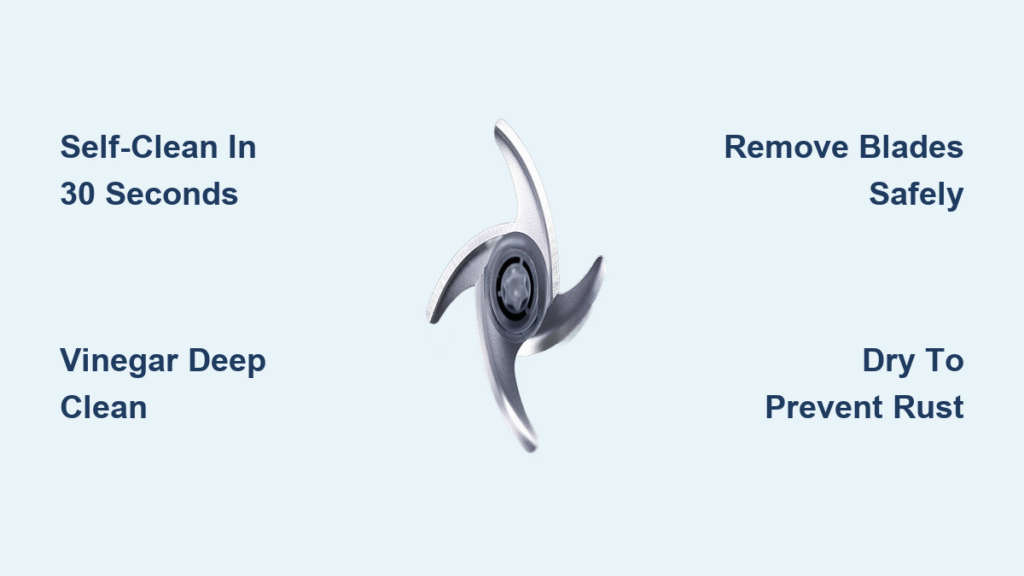
Blade dulling rarely happens from wear—it’s caused by trapped food particles between stacked blades. If your Ninja struggles with soft ingredients, inspect the blade assembly. Food debris packed between the upper and lower blades creates resistance, forcing the motor to work harder. To fix this, remove the blade assembly monthly (even on non-detachable models) and soak in warm soapy water for 10 minutes. Use a bottle brush with a long handle to scrub between blades—never your fingers. Rinse under running water until no particles remain.
Fix Cloudy Pitchers and Stinky Seals in 5 Minutes
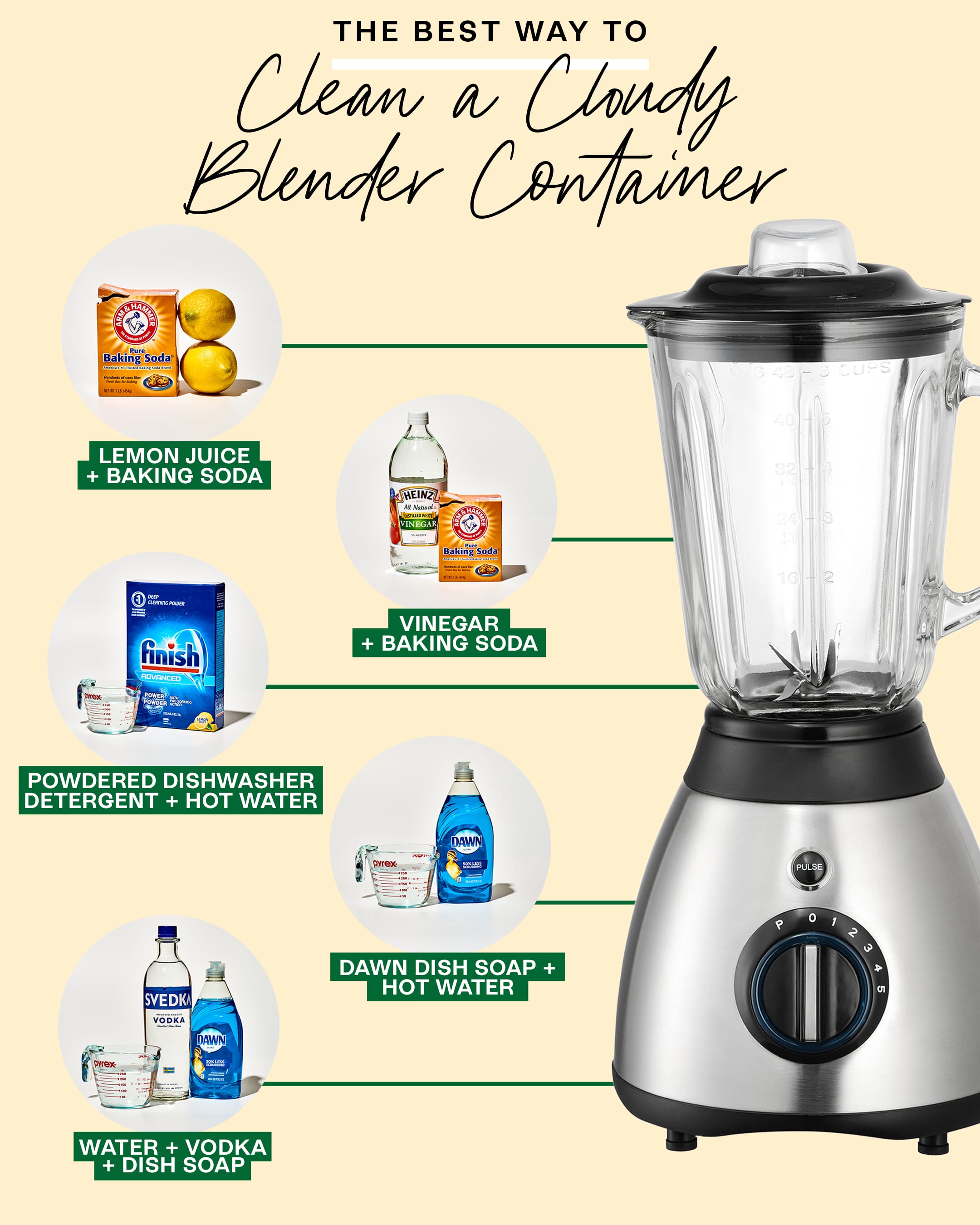
Cloudy plastic isn’t permanent damage—it’s mineral deposits from hard water and microscopic scratches. Fill your stained pitcher with hot water and dissolve three tablespoons of powdered dishwasher detergent (liquid won’t work). Let it soak for exactly 120 minutes. The enzymes break down mineral buildup while the detergent lifts surface film. After soaking, scrub gently with a non-scratch sponge—you’ll see the clarity return immediately. For severe cloudiness, wet a melamine foam eraser (like Mr. Clean Magic Eraser) and rub in small circles. Test first on the pitcher’s bottom edge to confirm no damage.
Eliminate Garlic Odors That Linger for Weeks
That lingering onion smell? It’s trapped in the rubber gasket inside your lid. Pry it out with a fork (never cut yourself with blades!), then soak in hot soapy water for 5 minutes. Scrub the gasket’s inner groove with an old toothbrush—this is where bacteria hides. Rinse thoroughly and air-dry completely before reinserting. To neutralize odors instantly, blend one chopped lemon, one tablespoon baking soda, and hot water on HIGH for 60 seconds. The citric acid breaks down odor molecules instead of masking them. Store the pitcher with the lid off to prevent moisture trapping.
Prevent Motor Burnout With These Critical Steps
Overheating causes 42% of Ninja blender failures—but it’s rarely the motor’s fault. When your Professional 1100 or Mega Kitchen System shuts down mid-blend, check these two culprits first:
- Blade assembly misalignment: If the pitcher isn’t seated perfectly on the base, the motor strains. Always twist the pitcher clockwise until it clicks into place. Listen for the solid “thunk” before pressing start.
- Dense ingredient overload: Blending thick nut butters or frozen fruit without liquid creates torque resistance. For recipes with <½ cup liquid, use PULSE mode in 10-second bursts with 15-second motor cooldowns between.
NEVER submerge the motor base—even a single drop in the coupling area (where the pitcher attaches) can short-circuit electronics. To clean spills, unplug immediately and wipe with a cloth dampened with rubbing alcohol only. Use a dry toothbrush to dislodge dried food from the coupling teeth. For sticky residue around buttons, dip a cotton swab in alcohol—never spray cleaners directly.
Model-Specific Fixes You Can’t Ignore
Nutri Ninja Pro (BL450/BL455) Blade Clogging
The compact cups trap food under blades more easily. After every use, fill the cup halfway with warm water and soap, then blend for 30 seconds. Immediately use a bottle brush to scrub the cup’s bottom—this prevents residue from hardening between the blade and cup base. If blades feel loose, tighten the center nut gently with pliers (over-tightening strips threads).
Professional 1100-Watt (BL610/BL660) Loud Operation
Grinding noises often mean dried pulp in the blade housing. Remove the blade assembly and check for hardened bits wedged between the metal ring and plastic base. Soak the entire assembly in hot vinegar for 20 minutes to dissolve buildup. Reassemble only when bone-dry—moisture causes rust on the drive shaft.
Mega Kitchen System (BL770) Attachment Leaks
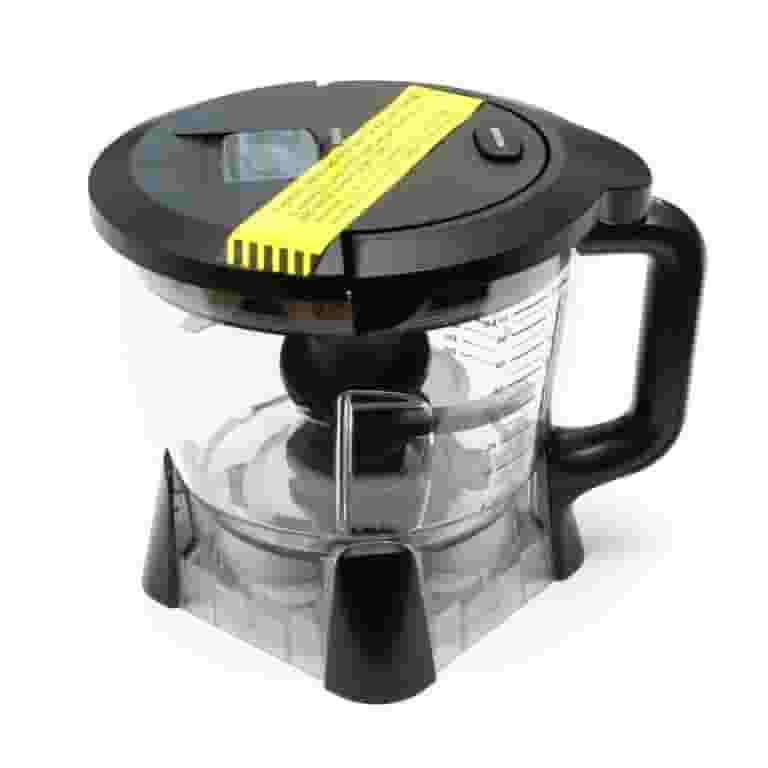
Leaks from the food processor bowl? The gasket seal is misaligned. Remove the bowl, flip it upside down, and press the rubber seal evenly into the groove with your thumbs. Test by filling with water before blending. Store attachments vertically in a dedicated drawer—stacking warps the seals.
Monthly Deep Maintenance That Beats Replacement Costs
Set a calendar reminder for the 1st of every month. This 15-minute ritual prevents $50+ part replacements:
- Blade sharpening: Blend 1 cup ice cubes with 1 tablespoon coarse salt on HIGH for 30 seconds. The salt acts as a gentle abrasive to hone edges.
- Gasket inspection: Check seals for cracks or hardening. Replace if they don’t snap back when bent (Ninja part # BPA-102 costs $8.99).
- Pitcher deep clean: For yellowed containers, use the baking soda paste method: Mix 2 tbsp baking soda with lemon juice to form paste, coat interior, wait 20 minutes, then scrub with vinegar.
Pro Tip: Store pitchers and lids separately with a paper towel inside to absorb moisture. Never stack containers—they trap humidity that breeds mold in hidden crevices.
When to Replace Parts (Before Catastrophe Strikes)
Inspect blades monthly under bright light. Replace immediately if you see:
– Chips or nicks on the cutting edge
– Bent lower blades (common with frozen fruit)
– Rust spots on the drive shaft
Blunt blades force motors to work 37% harder, shortening lifespan. Gaskets should be replaced every 12 months—they lose elasticity over time. For model-specific parts, use Ninja’s online lookup tool by entering your serial number.
Your Ninja blender’s lifespan hinges on one daily habit: the 90-second post-blend rinse. Skip it, and stains become permanent within hours. Do it consistently, and that pitcher will outlast three cheaper models. Remember—the motor base is waterproof only in the coupling area. Never tilt it sideways during cleaning. Start with the lemon-baking soda deodorizer tonight, then implement the monthly deep clean. In six months, your neighbors will ask how your Ninja still crushes ice like new while theirs sputters on smoothies. That’s the power of smart Ninja blender maintenance.