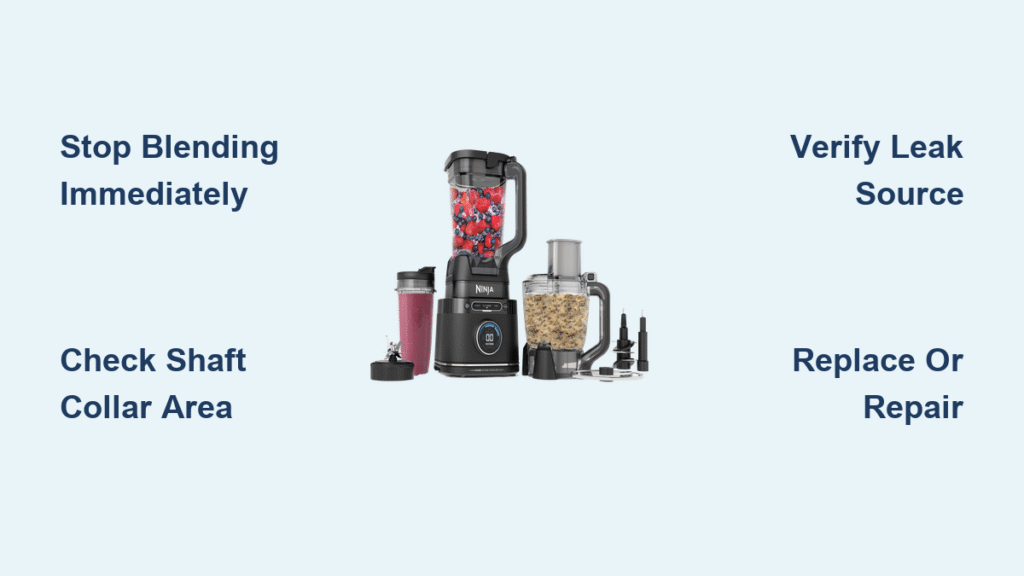
You’re halfway through your morning green smoothie when you spot it—a slick trail of black liquid oozing from under your Ninja blender. That oily residue pooling on your counter isn’t mold or spilled ingredients. It’s degraded internal grease seeping through failing seals, a widespread issue affecting thousands of Ninja owners. This alarming leak triggers immediate health concerns, but understanding the true source prevents panic and guides your next critical steps. You’ll learn how to confirm the leak’s origin, assess real health risks, and decide between repair or replacement—all without unnecessary fear.
Pinpoint Your Ninja Blender’s Black Liquid Origin
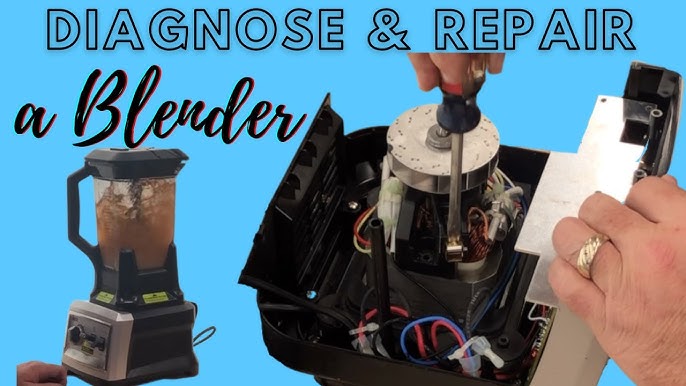
Where to Inspect for Grease Leakage
Stop blending immediately and examine these critical zones:
– Shaft collar area: Check the black rubber coupling ring where the jar locks onto the motor base. This is the #1 leak source.
– Base housing seams: Run fingers along the bottom edges for oily residue that resists wiping.
– Blade assembly base: Remove the jar and inspect the underside of the blade unit for black buildup.
– Operation pattern: Note if leaks appear only during blending (indicating pressure-related seal failure) or persist when idle (severe seal degradation).
Pro tip: Place a paper towel under the base during a 10-second water-only blend. Black streaks on the towel confirm internal grease leakage—not food residue.
Critical Visual Inspection Steps
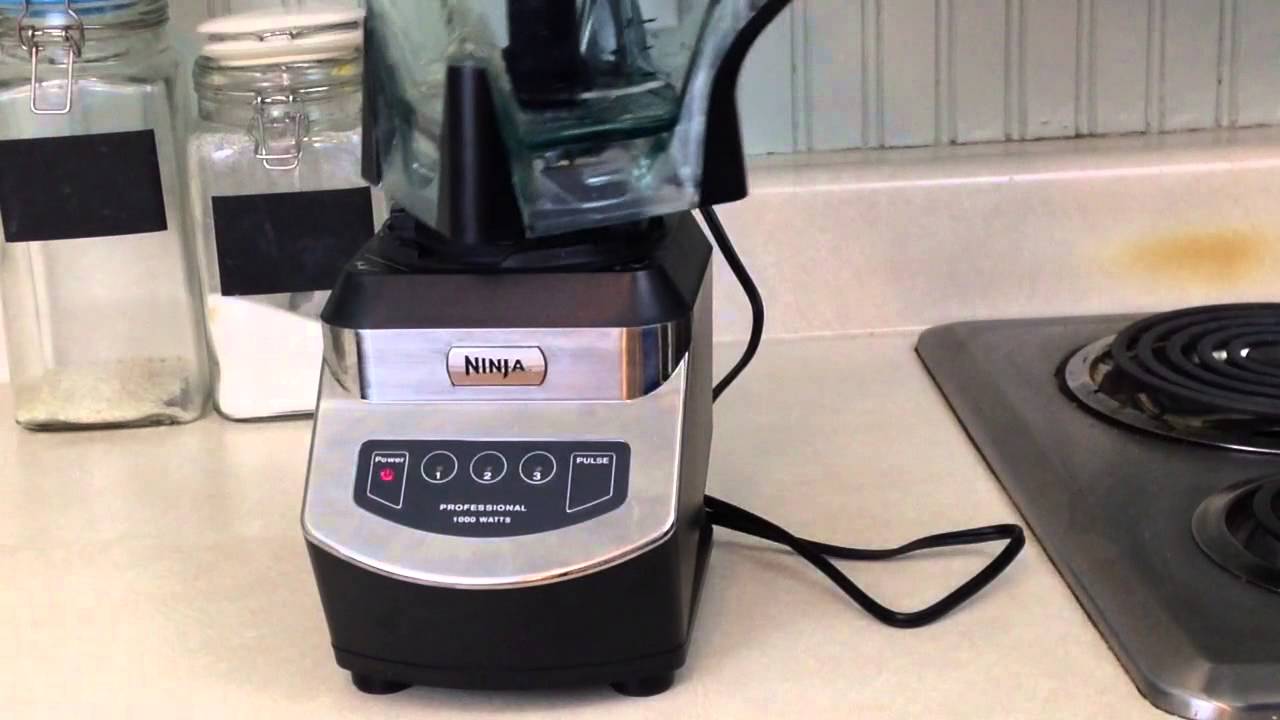
With the jar detached, perform this 60-second check:
1. Shine a flashlight around the motor shaft opening
2. Look for black “smearing” on the silver metal collar
3. Wipe the area with a white cloth—grease leaves a dark, oily transfer
4. Check for hardened buildup in the locking mechanism grooves
5. Smell the residue (without touching)—grease has a faint petroleum odor, unlike mold’s mustiness
If residue reappears after thorough cleaning, your blender’s internal seals have failed. Food-grade components don’t produce persistent black grease.
Confirm It’s Grease—Not Mold or Contamination
Black Grease vs. Mold: The Definitive Test
This oily substance shares zero characteristics with mold:
– Texture test: Rub between fingers—it feels slippery like machine oil, not fuzzy or powdery
– Water reaction: Drops bead up on surfaces instead of absorbing
– Location logic: Mold grows inside jars where moisture collects; this originates only from mechanical joints
– Persistence: Soap and vinegar clean mold instantly but barely affect this grease
Critical distinction: If black liquid appears during blending, it’s 100% mechanical grease. Mold can’t suddenly generate mid-blend.
Why Your Smoothies Likely Stayed Safe
Despite the alarming leak, your drinks probably avoided contamination:
– Ninja’s blade assembly creates a physical barrier between the motor shaft and food chamber
– Leaks occur outside the jar’s sealing surface—check where residue pools (on the counter, not in your smoothie)
– Zero documented cases of grease entering food in properly assembled units
Red flag: Only worry if you spot black specks in your blend or detect chemical tastes. This requires immediate discontinuation.
Assess Real Health Risks From Ninja Blender Grease
Toxicity Facts Medical Professionals Verify
The grease isn’t food-safe, but panic is unwarranted:
– Immediate effects: Ingestion would cause burning mouth or nausea within minutes—no delayed symptoms
– No long-term danger: Asymptomatic users face zero cancer risk or chronic issues per toxicology reports
– Critical reassurance: If your smoothies tasted normal and caused no discomfort, exposure was negligible
Key insight: The black liquid’s location—outside the food path—makes actual ingestion highly unlikely. Your anxiety likely poses greater health risks than the grease itself.
When to Seek Medical Advice
Consult a doctor only if:
– You consumed a visibly contaminated smoothie (black streaks/oily film)
– Experiencing nausea, throat irritation, or stomach pain within 2 hours
– Accidentally touched the grease then ate without washing hands
Reality check: Thousands report this issue with zero verified health incidents. Documented cases involve symptom-free users who discovered leaks after blending.
Emergency Response Protocol for Active Leaks
Immediate Action Checklist
- Power down and unplug the unit—never touch electrical components with wet hands
- Discard current blend if residue contacted the jar exterior (unlikely to be contaminated)
- Wipe base thoroughly with paper towels (avoid spreading grease)
- Run water-only test: Blend 1 cup water for 30 seconds to confirm leak source
Stop using the blender if black liquid appears in the water test. Continued operation risks complete seal failure.
Contamination Verification Method
Fill your jar halfway with water and blend for 15 seconds. Immediately inspect:
– Water clarity: Hold against white paper—grease creates oily sheen, not particles
– Jar interior: Shine light along the bottom seam for residue trails
– Odor check: Faint petroleum smell confirms grease (mold smells earthy)
Clear water means your food remains protected. Wipe the base and monitor for recurrence before next use.
Ninja Repair Options: Cost vs. Value Analysis

When Professional Service Makes Sense
Seek authorized repair only if:
– Your blender is under 2 years old (warranty may cover seal replacement)
– You have model-specific expertise for DIY disassembly
– The unit has premium features worth $50+ repair costs
Reality check: Ninja service centers typically charge $45–$75 for seal replacement—nearly half the cost of new entry-level models. Most users opt for replacement.
Smart Replacement Strategy
Maximize your resolution path:
– Warranty leverage: Contact Ninja support with photos/videos—many receive free replacements for units under 2 years
– Model upgrade: Newer Ninja models (Auto-iQ series) feature redesigned seals addressing this flaw
– Recycle option: Best Buy and Target accept broken blenders for $10–$20 off new purchases
Pro move: Mention “recurring black grease leak from motor shaft” when calling support—this triggers defect protocols versus standard wear-and-tear claims.
Prevent Future Ninja Blender Seal Failures
Operation Rules That Protect Seals
Extend your next blender’s life with these non-negotiable practices:
– Never exceed 60% jar capacity—overfilling strains seals during vortex creation
– Pulse hot soups first—sudden temperature spikes degrade rubber components
– Avoid continuous blending >90 seconds—heat buildup melts grease prematurely
– Hand-wash blade assemblies—dishwashers crack seal adhesives
Critical habit: Listen for grinding noises when attaching the jar—this indicates misalignment that shreds seals.
Monthly Maintenance Routine
Prevent recurrence with this 5-minute ritual:
1. Remove blade assembly and inspect the silver shaft collar
2. Clean residue with dry microfiber cloth (water traps grease deeper)
3. Check rubber gasket for cracks using bright light
4. Reassemble with firm, even pressure—no twisting motions
5. Run empty water blend to verify no leaks
Warning: Never lubricate seals yourself. Household oils attract debris and accelerate failure.
Cross-Brand Insights: Blendtec & Vitamix Comparisons
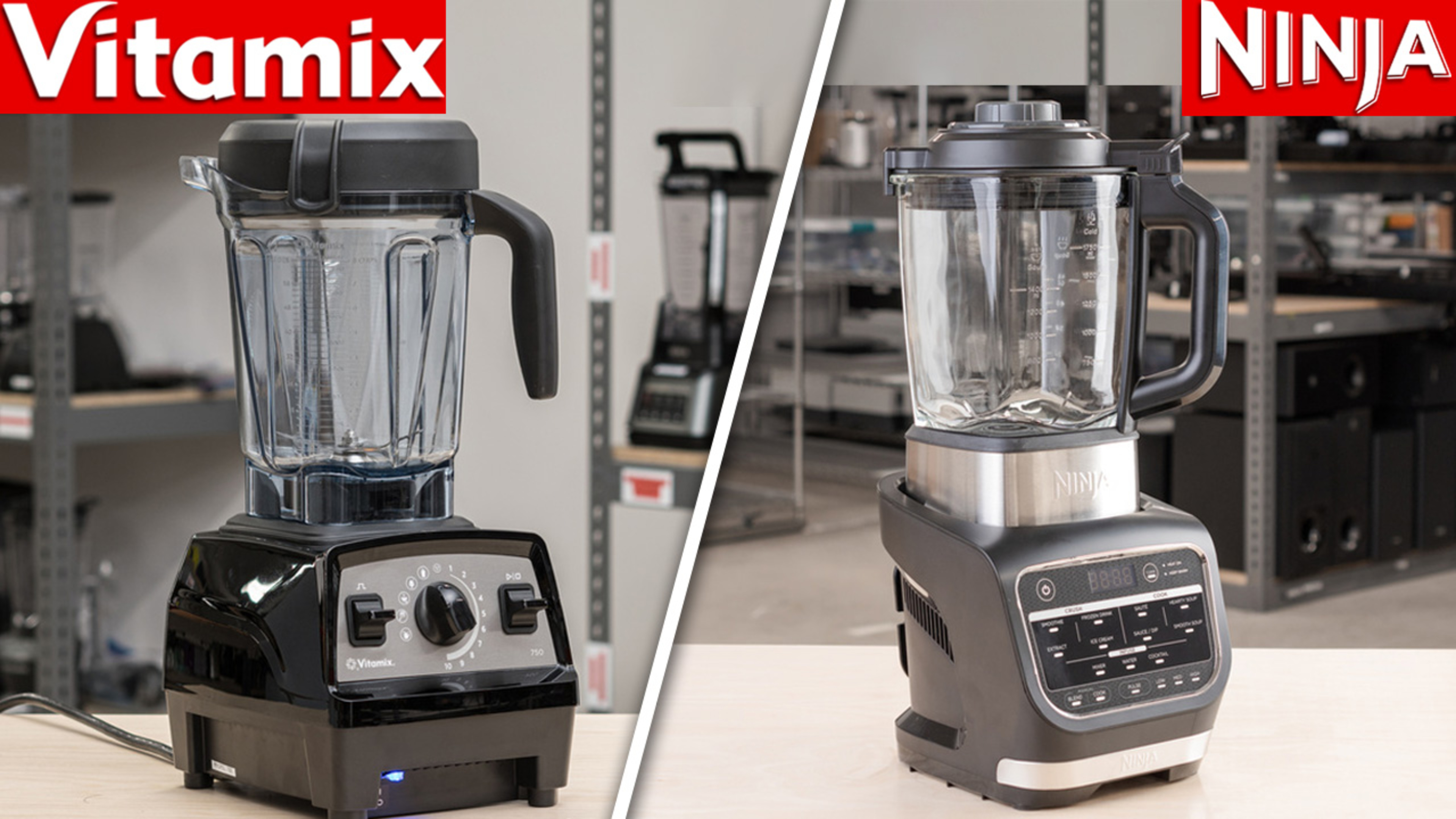
Why High-Speed Blenders Share This Flaw
All powerful blenders face this engineering trade-off:
– Ninja/Blendtec: Use low-cost grease seals optimized for cost over longevity
– Vitamix advantage: Features dry-bearing systems without grease (rare leaks)
– Universal trigger: Heat from blending >90 seconds liquefies standard grease
Key takeaway: Blendtec users report identical black leaks. This isn’t a Ninja defect—it’s an industry-wide limitation of budget high-speed motors.
Managing Health Anxiety After Discovery
Evidence-Based Reassurance Tactics
If you used the blender for weeks before noticing:
– Timeline analysis: Grease leaks appear after seals fail—no retroactive contamination
– Symptom journaling: Document all smoothie sessions for nausea/taste changes (most find zero issues)
– Medical perspective: ER physicians confirm no grease-related ER visits exist for Ninja users
Powerful fact: The FDA receives zero blender grease toxicity reports annually—far less risky than common kitchen hazards like raw chicken.
Stop blending immediately if black liquid appears during operation—this confirms seal failure. While alarming, your Ninja blender’s black grease leak poses minimal health risks when handled correctly. The substance can’t contaminate food in properly assembled units, and asymptomatic users face zero long-term consequences. Prioritize warranty replacement over repair for units under 2 years old, and implement strict pulsing protocols with your next blender. Thousands resolve this issue monthly by following these exact steps—your smoothie routine can safely continue within 48 hours. Remember: the real danger isn’t the grease, but ignoring leaks that could escalate into electrical hazards. Address it now, and your kitchen stays both clean and calm.