You just unboxed your new Nutri Ninja blender, but those stacked blades and multiple cups have you second-guessing your purchase. Don’t worry—within minutes, you’ll be crushing ice like a pro and creating restaurant-quality smoothies in your kitchen. Whether you’re using the single-serve cup for morning protein shakes or the full pitcher for family meals, this guide delivers the exact techniques to transform you from confused buyer to blending expert. Forget generic manuals—this is the real-world knowledge you need to unlock every feature of your Nutri Ninja blender without the frustration.
Set Up Your Nutri Ninja Correctly First Time
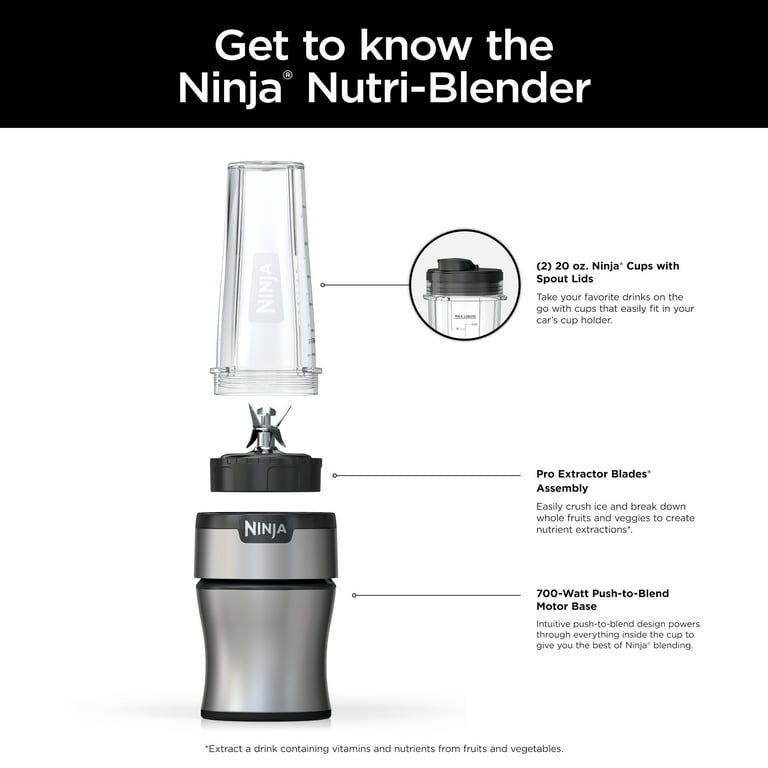
Match Your Model to the Right Assembly Method
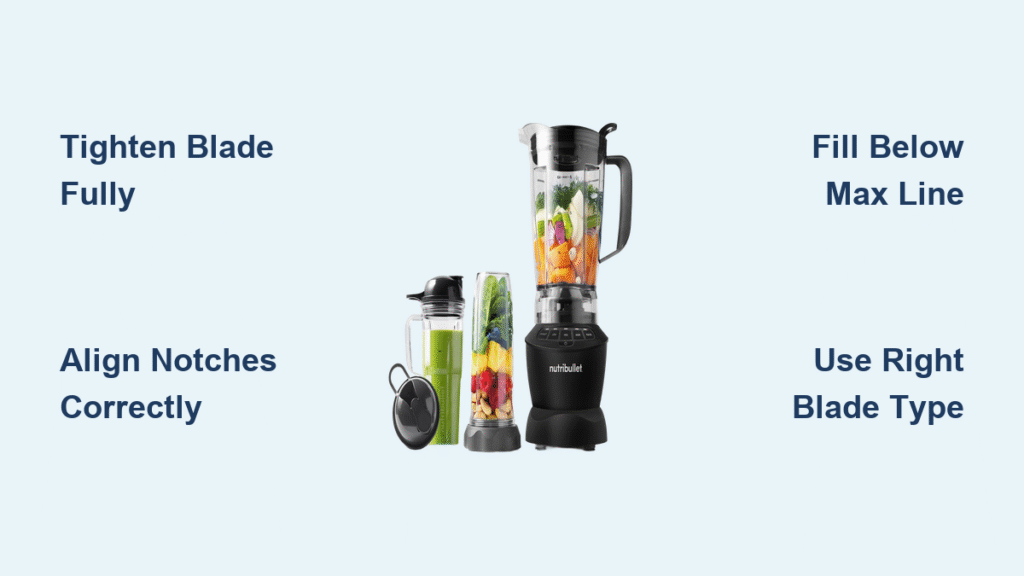
Before adding ingredients, verify your specific model configuration. Full-size Nutri Ninja pitchers require careful blade alignment that many users miss on their first attempt. Place the pitcher on the motor base and rotate it slightly until it seats with a subtle click—forcing it causes alignment errors later. Drop the stacked blade assembly straight down onto the central shaft; it should slide into place without resistance. If you feel pressure, lift and reposition—never hammer blades into place.
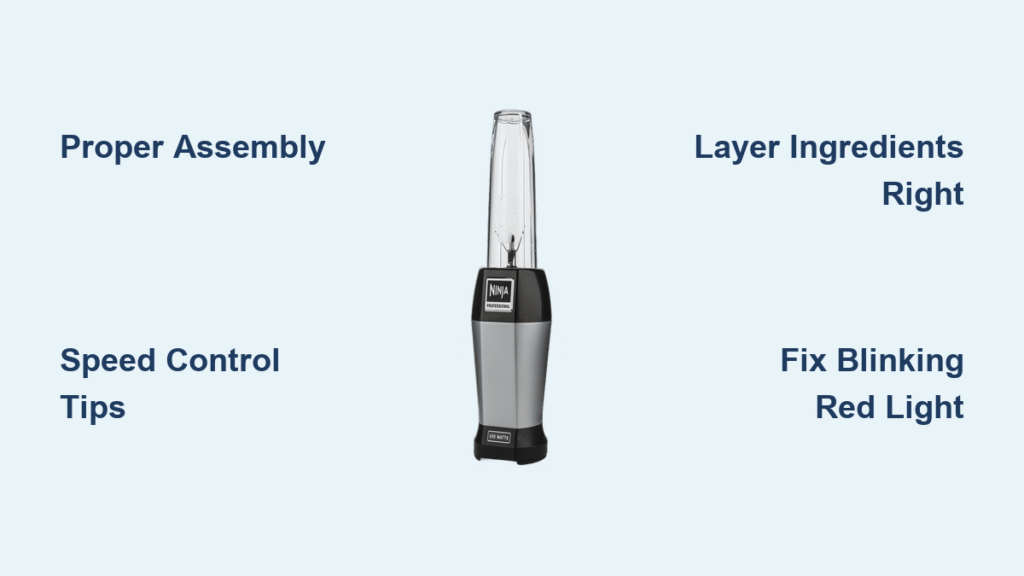
Single-serve models create the most common setup mistakes. After filling your cup below the MAX line, screw the blade attachment on firmly by hand only—overtightening strips the threads. Flip the cup upside down and align the tabs with the motor base slots before twisting clockwise. Most users fail to complete the full quarter-turn lock, causing the infamous red blinking light during operation. Your single-serve cup should feel secure with no wiggle when properly locked.
Pro tip: Always check for the white alignment arrows on both lid and pitcher—these tiny markers prevent 90% of startup errors when perfectly matched.
Avoid the Number One Setup Mistake
Overfilling causes more Nutri Ninja failures than any other user error. Liquid expands during blending and needs room to create the vortex essential for proper operation. For full pitchers, never exceed the 64-ounce liquid line (72oz total volume). Single-serve cups have stricter limits—stick to 18-24 ounces depending on your model. When processing frozen ingredients, leave at least 1 inch of space below the max line. This simple rule prevents messy leaks and protects your motor from overheating.
Operate Speed Controls Like a Professional
Master the Three-Speed System for Perfect Results
Your Nutri Ninja’s speed settings aren’t arbitrary—they’re engineered for specific blending tasks. Start with Speed 1 when incorporating powders or soft ingredients to create the initial vortex. Immediately transition to Speed 2 for standard smoothies and sauces—this medium setting maintains optimal blade speed without excessive aeration. Reserve Speed 3 exclusively for ice crushing and frozen fruit processing where maximum torque is required.
The pulse function gives you surgical control for chopping tasks. Hold the pulse button for 2-3 second bursts when making salsas or nut butters—releasing immediately gives you perfect texture control. For thick mixtures, alternate 5 seconds on Speed 2 with 3 pulse bursts to prevent motor strain. Never run continuous blends longer than 90 seconds without a 30-second rest period, especially with frozen ingredients.
Auto-iQ Programs: When to Use Which Setting
Advanced Nutri Ninja models feature intelligent Auto-iQ programs that automatically cycle through optimal speeds. The Smoothie program (60 seconds) works best with leafy greens—you’ll notice it starts slow to pull down kale before ramping up. Use Ice Crush for snow-cone texture—this program pulses at high speed with brief pauses to prevent ice bridges. The Puree setting gradually increases speed over 75 seconds for silky baby food or hummus. Sauce mode uses moderate cycling to emulsify dressings without incorporating excess air.
Critical warning: Never use Auto-iQ programs with hot liquids above 180°F—the pressure buildup can cause dangerous eruptions through the lid vent.
Load Ingredients for Flawless Blending Every Time

Follow the Exact Layering Sequence Professionals Use
What separates decent smoothies from exceptional ones? Ingredient order. Always begin with ½ cup minimum liquid (water, milk, or juice) to create the foundation for vortex formation. Add soft ingredients next—yogurt, bananas, or cooked vegetables that blend easily. Sprinkle powders like protein or cocoa directly onto these soft layers to prevent clumping. Place frozen items and hard vegetables third, followed by leafy greens on top where the vortex will pull them down immediately.
For single-serve Nutri Ninja cups, this sequence is even more critical due to the smaller volume. Pour liquid first, then add soft ingredients while the cup is upright—never try to layer frozen items in an inverted cup. When making nut butters, add just enough oil to cover the bottom before adding nuts to prevent dry processing that strains the motor.
Never Exceed These Capacity Limits
Every Nutri Ninja model has strict capacity rules that protect both your machine and your safety. Full pitchers handle maximum 2 cups of ice—more risks motor burnout. Single-serve cups tolerate only 1 cup of ice or frozen fruit. For hot liquids, never exceed 180°F temperature or fill beyond the “Hot” line marked on your container. When processing nuts or seeds, limit batches to ½ cup to prevent overheating and oil separation.
Pro tip: When blending thick mixtures like hummus, stop after 30 seconds, scrape down sides with a spatula, then resume—this prevents the common “stuck vortex” problem.
Fix Red Light Blinking Issues Immediately

Diagnose Lid Alignment Problems in 20 Seconds
That blinking red light means your Nutri Ninja detected a safety issue—usually lid misalignment. Press down firmly on all sides of the lid until you hear multiple clicks, especially at the handle area. Check the white alignment arrows on both lid and pitcher—they must match perfectly with no offset. If using a single-serve cup, ensure the locking tabs are fully engaged by twisting until you feel resistance.
If the light persists, remove the pitcher/cup and inspect the lid lock sensor area for food debris. A stray blueberry or spinach leaf stuck in the locking mechanism triggers 30% of red light errors. Clean this area with a damp cotton swab before reassembling. Most users solve this issue in under a minute once they know where to look.
Reset Your Nutri Ninja When Safety Features Activate
When thermal protection kicks in after extended use, unplug for 30 seconds to reset the system—don’t just flip the switch back on. Remove all components and reassemble from scratch, checking each part for cracks or warping. If the red light continues blinking after three reset attempts, contact Ninja support with your model number—they’ll often send replacement parts free under warranty.
Clean Your Nutri Ninja Properly After Every Use
Execute the 30-Second Cleaning Method
Never let residue dry in your Nutri Ninja—immediate cleaning prevents 95% of maintenance issues. Fill the pitcher ⅓ full with warm water and 2 drops of dish soap. Run on Speed 2 for exactly 30 seconds to create a self-cleaning vortex. Empty the soapy water, then rinse all components under hot running water. For stubborn residue, use a bottle brush on the pitcher interior but never abrasive pads that scratch surfaces.
Blades require special care—always grasp by the plastic center hub, never the sharp edges. Hand-wash blades immediately after use; while dishwasher-safe, hand washing extends their life by years. Dry all components thoroughly before storage—trapped moisture causes mold in gaskets and mildew odors.
Critical warning: Never submerge the motor base or run water into the electrical contacts—wipe with a damp cloth only.
Crush Ice Perfectly Every Time
Follow This Ice Crushing Protocol
For snow-like texture, use only 1-inch ice cubes in your Nutri Ninja. Add ice last in the ingredient sequence to prevent premature melting. Use Speed 3 in 10-second bursts with 30-second rest periods between cycles—continuous ice crushing overheats the motor. For single-serve cups, never exceed 1 cup of ice; full pitchers handle maximum 2 cups.
When making frozen cocktails, add liquid first followed by soft ingredients before ice—this creates layered texture rather than uniform slush. For smoothies, use the 1:1 frozen-to-liquid ratio rule: 1 cup frozen fruit to 1 cup liquid base for optimal consistency without straining the motor.
Maximize Your Nutri Ninja’s Lifespan
Perform These Weekly Maintenance Checks
Extend your Nutri Ninja’s life with simple weekly habits. Inspect blade sharpness by carefully running your finger along the edge—dull blades strain the motor. Check gaskets monthly for cracks that cause leaks. Listen for unusual motor sounds during operation—a grinding noise means immediate servicing is needed. Test vortex formation with water—if it doesn’t create a deep whirlpool, your blades may need replacement.
Replace blades every 6-12 months with regular use. When storing, keep cups and pitchers separate with lids slightly ajar to prevent odor buildup. Never stack cups tightly—that microscopic scratching leads to cloudiness and eventual cracking.
Pro tip: Register your Nutri Ninja within 10 days for extended warranty coverage—most users miss this critical step and lose valuable protection.
Mastering how to use a Nutri Ninja blender transforms meal prep from chore to joy. Start with simple smoothies using the precise layering technique, then progress to ice crushing and nut processing as your confidence grows. Remember the golden rules: never overfill, clean immediately after use, and respect those razor-sharp blades. Within a week of proper technique, your Nutri Ninja will deliver restaurant-quality results with minimal effort—proving why it’s one of the most trusted blenders on the market. The key isn’t complicated settings but understanding how each feature works with your ingredients to create perfect blends every time.