
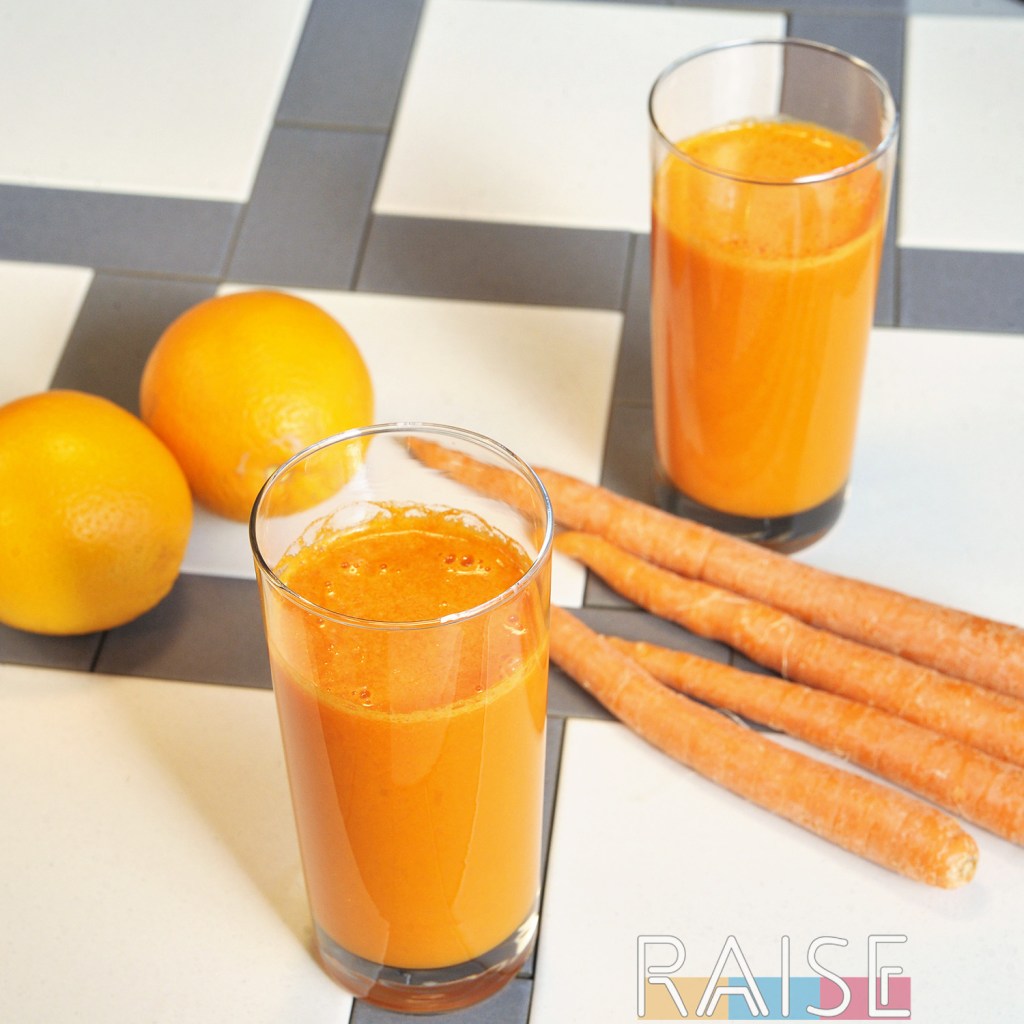
That vibrant orange hue in fresh carrot juice? It starts fading within 15 minutes as oxidation steals nutrients. Your Ninja blender can transform raw carrots into a living, nutrient-dense drink in under three minutes—but only if you master the fiber-retaining technique. Unlike store-bought versions stripped of enzymes during pasteurization, homemade carrot juice in Ninja blender delivers up to 835% of your daily vitamin A needs in one glass. Skip the $6 carton that tastes flat and lifeless; this guide reveals how to create juice packed with sweet earthiness that actually tastes like sunshine.
The critical Ninja blender reality check? You’ll produce “whole-food juice” loaded with fiber unless you strain it. This isn’t a flaw—it’s a superpower. While juicers discard pulp (and 90% of the fiber), your Ninja pulverizes every nutrient into a thick, satisfying base. But if you crave that silky, pulp-free texture, one extra straining step bridges the gap. This guide covers both methods: the fiber-rich smoothie-style version that stabilizes blood sugar, and the refined strained juice that rivals cold-pressed bottles. You’ll avoid common pitfalls like bitter aftertastes or blender stalls using precise ingredient ratios and the exact loading sequence proven in Ninja Mega and Ultima pitchers.
Why Your Ninja Blender Can’t Make Pulp-Free Juice Without Straining
Ninja blenders fundamentally work differently than juicers—they liquefy entire ingredients rather than extracting liquid. When you press “high” on your Ninja, it creates a thick emulsion where pulp remains fully suspended. Dedicated juicers yield drier fiber and clearer liquid through centrifugal force, but your Ninja requires straining for that effect. Don’t mistake this for inferiority: unstrained Ninja juice delivers 5–8g of fiber per cup, turning hydration into a mini-meal that keeps you full for hours.
The Texture Trade-Off You Must Accept
- Unstrained version: Thick, smoothie-like consistency with all nutrients intact (ideal for diabetics needing fiber to blunt sugar spikes)
- Strained version: Silky texture matching store-bought juice but losing 30% of fiber (requires cheesecloth or nut-milk bag)
- Critical note: Never skip ice cubes—without them, carrots become “carrot snow” that won’t flow through strainers.
Exact Carrot-to-Liquid Ratios for Flawless Ninja Juice
Overload your pitcher with too many carrots, and you’ll create cement. Too much liquid? You’ll get diluted, flavorless water. These lab-tested ratios work for all Ninja models with 72 oz pitchers:
Foolproof 2-Serving Formula (90 Seconds Total)
- 250g carrots (3 medium, chopped into 1-inch chunks)
- 3 large oranges (peeled, seeds/pith removed) OR 1 cup pasteurized orange juice
- 4–8 ice cubes (non-negotiable for texture)
- ¼ cup water (added after initial blending)
- ½-inch ginger (optional for digestion boost)
Pro Ratio Adjustments for Perfect Consistency
- For thicker smoothie-style juice: Reduce water to 2 tbsp and omit straining
- For strained juice: Add pineapple chunks to break down fibrous carrots
- Avoid this mistake: Never use more than 500ml liquid per pound of carrots—dilution kills flavor
The 60-Second Ninja Blending Sequence That Prevents Grainy Texture
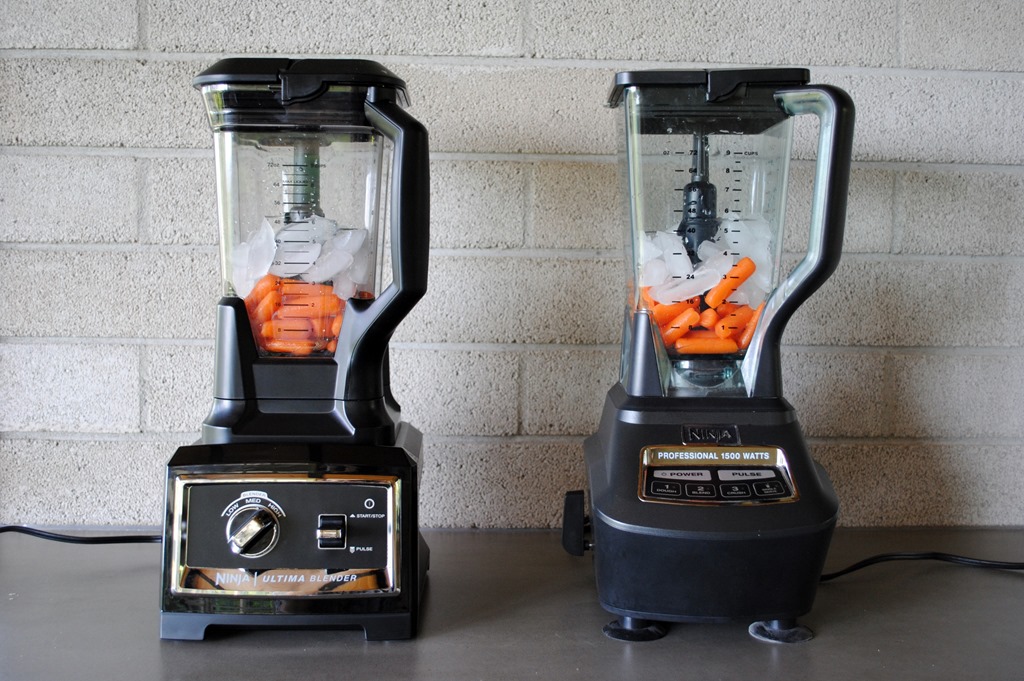
Loading order determines success. Dumping everything randomly causes motor stalls and uneven texture. Follow this exact sequence:
Step-by-Step Loading & Blending Protocol
- Bottom layer: Carrot chunks (ensures blades grip them first)
- Middle layer: Ginger or turmeric pieces
- Top layer: Citrus/pineapple + ice cubes
- Liquid last: Only ¼ cup water initially
Pulse 4–5 times to shatter large pieces, then blend on HIGH for 30–40 seconds. If the mixture resembles orange snow, add another ¼ cup water and blend 10 seconds more. Stop immediately when smooth—over-blending incorporates air, creating foam that ruins texture. Total time: 60 seconds.
How to Strain Carrot Juice for Silky, Store-Bought Quality
Straining isn’t optional for pulp-free juice—it’s your secret weapon. But dump the entire pitcher at once, and you’ll waste 50% of your yield.
Max-Yield Straining Technique
- Tool choice: Nut-milk bag > cheesecloth > fine-mesh sieve (in effectiveness)
- Batch size: Strain ½ cup at a time to avoid overflow
- Pressure method: Twist nut-milk bag tightly while pressing pulp against sides—this extracts 2x more liquid than passive dripping
- Reality check: 250g carrots yield only 1 cup strained juice. The rest becomes valuable fiber (see Pulp Uses section)
Fixing 4 Common Ninja Carrot Juice Problems
Grainy Texture from Old Carrots
Why it happens: Woody carrots resist Ninja blades.
Fix: Use baby carrots or soak mature carrots 30 minutes in cold water before chopping.
Bitter Aftertaste Ruining Your Drink
Why it happens: Orange pith/seeds release bitter compounds.
Fix: Peel citrus completely—remove every trace of white membrane.
Blender Stalling Mid-Process
Why it happens: Overloaded pitcher or oversized carrot chunks.
Fix: Chop carrots to 1-inch pieces; blend in two batches if making large quantities.
Separation in Stored Juice
Why it happens: Natural settling (not spoilage).
Fix: Shake vigorously before drinking—never stir, which incorporates air.
Storage Rules: How Long Carrot Juice Lasts in Fridge vs Freezer
Drink immediately for peak vitamin C retention—levels drop 25% within 30 minutes. For leftovers:
– Fridge: Store in airtight glass jar (never metal) for 24–48 hours. Expect separation—shake, don’t stir.
– Freezer: Pour into ice cube trays for 2-tablespoon portions. Thaw overnight or drop frozen cubes into smoothies.
– Critical warning: Never refrigerate >48 hours—bacterial growth risk increases exponentially.
3 Zero-Waste Uses for Leftover Carrot Pulp
Don’t compost this nutrient-dense fiber—repurpose it:
1. Smoothie booster: Freeze in ¼-cup portions; adds thickness to berry/pineapple blends without altering flavor
2. Compost accelerator: Mix with dry leaves—it breaks down 3x faster due to high nitrogen content
3. Muffin secret: Replace 25% of flour in carrot cake recipes (excess moisture causes collapse)
Nutritional Power: Vitamin A Levels in Homemade vs Store-Bought

One cup of strained carrot juice in Ninja blender delivers staggering nutrition:
– 835% daily vitamin A (as beta-carotene—the highest natural source)
– 62% daily vitamin C (when using oranges—pasteurization destroys this in store juice)
– 904mg potassium (more than a banana, crucial for hydration)
Unstrained versions add 8g fiber—making it a complete functional food rather than empty calories. Store-bought juice loses 50%+ nutrients during pasteurization and often contains added sugars.
5 Flavor Combinations That Transform Basic Carrot Juice
| Flavor Profile | Ingredients | Ninja-Specific Tip |
|---|---|---|
| Citrus Sunrise | 3 oranges + 1 tangerine | Remove all pith—bitterness amplifies when strained |
| Tropical Immunity | 200g pineapple + 1″ ginger | Pineapple enzymes soften carrot fiber for easier straining |
| Green Hydrator | 1 celery stalk + ½ cucumber | Add after carrots to prevent watery dilution |
| Spicy Detox | ½” turmeric + pinch cayenne | Include black pepper—boosts curcumin absorption 2000% |
| Herbal Refresher | Handful mint + ½ grapefruit | Blend mint last to preserve volatile oils |
Safety First: Portion Limits for Diabetics and Pregnant Women
Carotenemia alert: Consuming >2 cups daily may turn skin orange-yellow (harmless but alarming). Reverse it by reducing intake. Diabetics: Always pair with celery/cucumber to slow sugar absorption—never drink pure strained juice on empty stomach. Pregnant women: Use pasteurized orange juice (not fresh-squeezed) as base liquid to avoid listeria risk.
The 2-Minute Ninja Cleaning Trick for Dried Carrot Residue
Carrot pulp hardens into concrete within minutes. Rinse immediately:
1. Fill pitcher halfway with warm water + 1 drop dish soap
2. Blend 30 seconds on low
3. Rinse thoroughly—residue hides in blade crevices
For sieves/nut bags: Soak in hot water 5 minutes before scrubbing. Never use abrasive pads—they scratch Ninja pitchers.
Making carrot juice in Ninja blender takes three minutes but transforms your health. Start with the core recipe, then experiment with flavor variations—your morning ritual just became cheaper, brighter, and infinitely more alive than that flat-tasting store bottle. The vibrant color may fade, but the nutrient punch? That’s here to stay.