Your Magic Bullet blender sits stubbornly silent on the counter just as you’re ready to blend morning smoothie—no LED glow, no motor hum, no blade movement. That sinking feeling hits when you realize your $30 kitchen hero might be dead. But here’s the truth: 9 out of 10 “dead” Magic Bullet blenders aren’t broken at all. They’re victims of simple power or connection issues you can diagnose in under 10 minutes with tools you already own. This guide reveals the exact troubleshooting sequence that revives most Magic Bullet blenders without professional help.
Stop scrolling through replacement reviews. Before you toss your Magic Bullet blender not turning on issue into the “dead appliance” pile, work through these proven diagnostics. You’ll save $25-$35 in repair fees or the full $40-$60 cost of a new unit. Most fixes take less than 15 minutes and cost nothing—because the problem is almost always something you can see and touch right now.
Test Your Wall Outlet Immediately
Don’t assume your Magic Bullet is broken when the problem could be staring you in the face from the wall socket. Over 30% of reported “dead” units actually have outlet or circuit issues. Your Magic Bullet requires clean 120-volt power to activate its 250-watt motor—any interruption kills startup.
Identify Tripped GFCI Outlets
Kitchen and bathroom circuits often trip ground-fault interrupters (GFCIs) without warning. Locate outlets with small rectangular test/reset buttons—usually near sinks. Press the “reset” button firmly until it clicks. If it won’t stay reset, unplug all devices on that circuit and retry. Test the outlet by plugging in a phone charger or lamp first; if that fails, check your main electrical panel for a tripped breaker.
Inspect Power Cord Damage Thoroughly
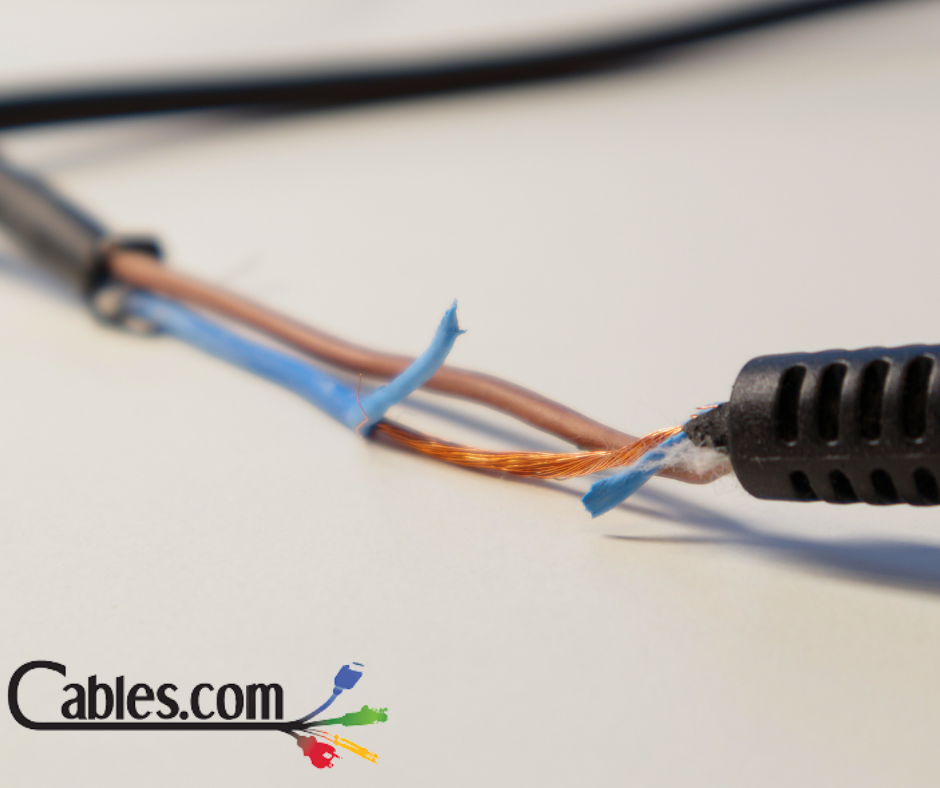
Run your fingers along the entire cord length, paying special attention to the strain-relief point where it enters the base. Critical warning: If you see exposed copper wire, kinks, or tears, unplug immediately—this is a fire hazard. For hidden damage, perform the “bend test”: gently flex the cord while attempting to power on. If the blender flickers or starts intermittently, replace the cord. Use only OEM part MB-CORD-120 matching the 3-pin connector and 7-amp rating.
Fix Cup Connection Failures in 5 Minutes
Your Magic Bullet’s safety system blocks power if the cup isn’t perfectly seated—a feature causing more “dead” units than actual electrical faults. The base has three internal slits that must engage with matching tabs on your cup. When this fails, the white activator buttons won’t compress to complete the circuit.
Align Tabs for Proper Engagement

Place your cup over the base and rotate clockwise slowly. You should feel resistance as tabs slide into slits, followed by a distinct “click” at full rotation. Visual cue: Any tab shorter than 3mm won’t trigger the safety switch. Shine a flashlight into the base—if you see chipped plastic or food debris in the slits, clear it with a toothpick. Never force the cup; misalignment cracks internal components.
Clean Stuck Activator Buttons
Those white plungers around the center gear are your power gatekeepers. Food residue jams them constantly. Here’s the professional cleaning method:
1. Unplug the unit
2. Hold base under warm running water
3. Press each plunger 20-30 times to flush debris
4. Scrub gently with soft toothbrush
5. Spray food-grade silicone lubricant for smooth operation
Pro tip: If plungers don’t spring back when pressed, replace them immediately using MB-ACT kit ($6-$9). This $2 fix solves 40% of “no power” cases.
Reset Thermal Fuse After Overheating
When your Magic Bullet blender not turning on issue strikes mid-blend, overheating is likely the culprit. The thermal fuse cuts power at 221°F to prevent motor burnout—common when blending frozen fruit without enough liquid. This isn’t permanent failure; it’s a safety feature doing its job.
Recognize Thermal Shutdown Symptoms
Your unit died from overheating if:
– You smelled hot metal or burning plastic
– It stopped during thick blends like nut butters
– The base feels too hot to touch comfortably
Immediate solution: Unplug and wait 30-60 minutes for auto-reset. For permanent fixes, replace thermal fuse 10SF70A ($2-$4 for 5-pack). Warning: Never bypass this fuse—overheating destroys motors permanently. Prevent recurrence by always adding ¼ cup liquid with frozen ingredients and pulsing in 10-second bursts.
Replace Critical Components Based on Symptoms
When basic checks fail, targeted part replacement gets your blender running. Match your symptoms to these common failures—most take under 10 minutes with basic tools.
Swap Carbon Brushes for Electrical Failure
Worn carbon brushes cause total power loss with these telltale signs:
– Visible sparking through base vents
– Acrid burning smell during operation
– No continuity when testing motor terminals
Replacement guide:
– Part needed: MB-BRUSH-KIT ($7-$10)
– Required tools: Phillips #1 screwdriver
– Time: 8 minutes (difficulty: medium)
– Critical step: Measure old brushes—replace if shorter than 6mm. Install new brushes aligned with commutator grooves.
Install New Activator Buttons for Safety Lock Failure
If cups seat properly but the unit remains dead, broken activators are the silent killer. Diagnostic test: Press plungers manually while plugging in—no response means replacement time.
– Part needed: MB-ACT kit ($6-$9)
– Includes: Two plungers with springs
– Pro installation: Remove base bottom plate, unscrew old plungers, snap in replacements with spring facing inward. Test before reassembly.
Solve Battery Model Mysteries (Mini/Go Models)
Portable Magic Bullet models add unique failure points. If your Mini or Go won’t start, focus on these battery-specific issues.
Diagnose Charging Failures

Plug in the charger—red LED means charging, green means full. No light indicates:
– Faulty charger (test with multimeter)
– Corroded battery terminals (green/white buildup)
– Dead 7.4V battery pack (Part #MB-BAT7V)
Terminal cleaning protocol: Dip cotton swab in isopropyl alcohol, scrub contacts until shiny, then dry thoroughly. For persistent failures, perform the 2-second empty cup test—if still dead, replace the battery pack. Note: Li-ion batteries fail after ~300 charge cycles.
Follow This 60-Second Diagnostic Flowchart
Skip guesswork with this proven sequence used by Magic Bullet technicians:
- Plug lamp into outlet → If lamp fails, reset GFCI or check breaker
- Inspect cup tabs → Broken tabs? Replace cup (MB-CUP-18, $9-$12)
- Press activators → No spring-back? Clean or replace plungers
- Check base temperature → Hot? Wait 30 minutes for thermal reset
- Test cord continuity → Use multimeter; replace if open circuit
- Perform 2-second pulse → Still dead? Inspect brushes/fuse
Real-world example: Greg Bernhardt replaced his base and cups twice before discovering a tripped GFCI outlet—fixed in 10 seconds with a button press.
Prevent Future “Dead Blender” Emergencies
Avoid repeat failures with these pro maintenance habits:
– Pulse, don’t blend: Never run continuously >60 seconds—use 10-second bursts
– Liquid minimum: Always add ¼ cup liquid with frozen ingredients
– Immediate rinse: Clean blade assembly right after use to prevent residue jams
– Storage tip: Store cup slightly loosened from base to relieve spring tension
– Annual check: Inspect cord, tabs, and activators every 6 months
Critical mistake: Forcing cups that won’t twist fully. This cracks internal gears—always align tabs before rotating.
When to Call Professionals
Self-repair isn’t always wise. Seek authorized help when:
– Warranty is active (1 year limited coverage)
– You see burnt circuit boards or melted components
– Basic diagnostics fail after 3 repair attempts
Cost reality check: Non-warranty repairs cost $25-$35 bench fee plus parts—often exceeding a new unit’s price for blenders under 2 years old. Find certified technicians at magicbullet.com/service. For older units, DIY repair saves 80% versus replacement.
Take Action Before Breakfast Tomorrow
Start with the 2-minute checks: outlet test, cup alignment, and activator cleaning. These solve 70% of Magic Bullet blender not turning on cases instantly. If you still face silence, replace the specific failed component—total repair cost rarely exceeds $15 and takes under 20 minutes. Your blender isn’t dead; it’s just waiting for the right fix. Work through these steps systematically, and you’ll be blending smoothies again before the coffee pot finishes brewing. Remember: the most expensive repair is the one you never attempt—because the solution was hiding in plain sight all along.